The short answer
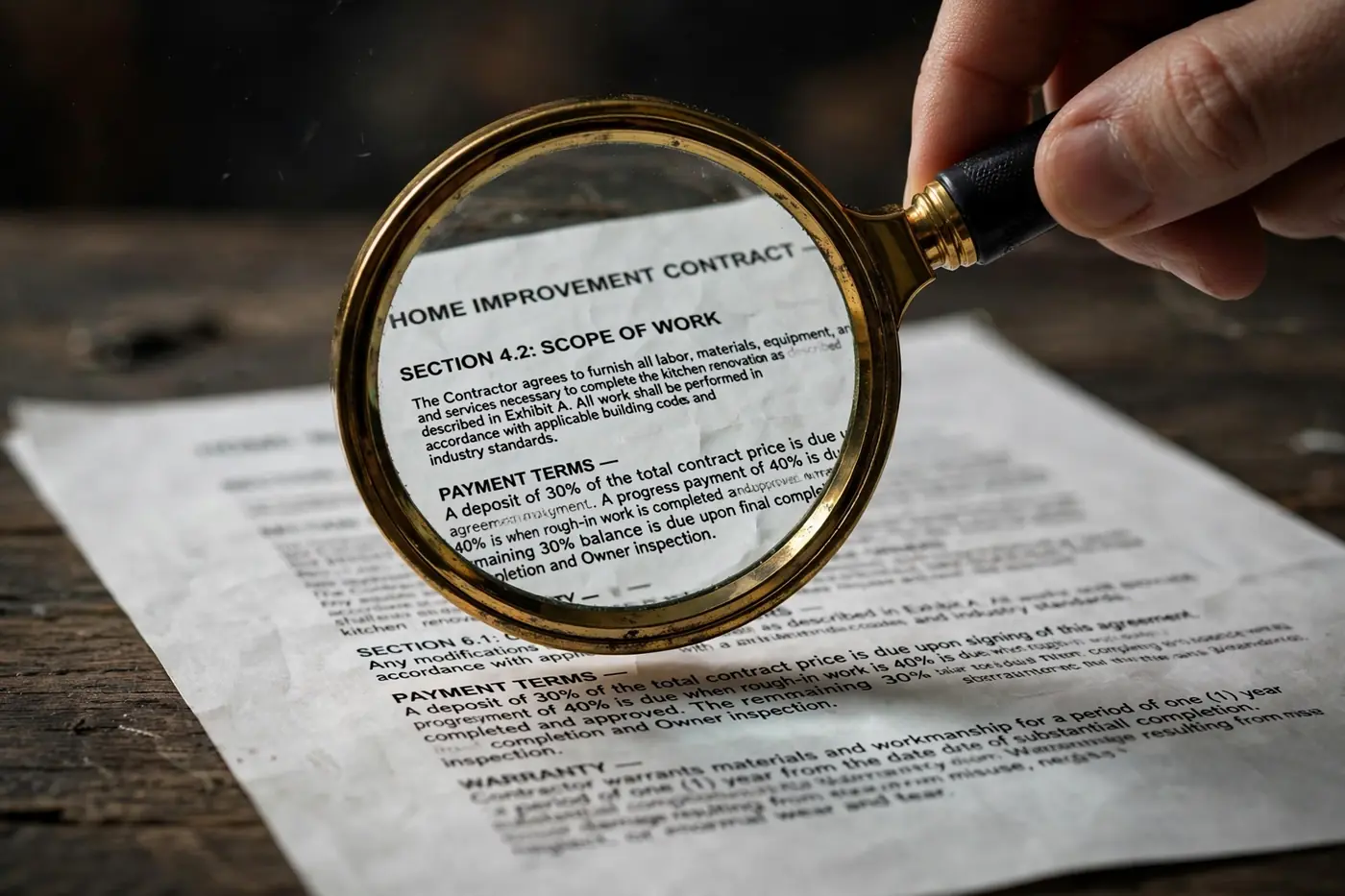
Window replacement overpricing usually isn’t a slightly high bid — it’s a playbook: high-pressure “today only” discounts, lump-sum quotes with no line items, deposits over 25 percent, unlicensed crews, and bait-and-switch product swaps. Protect yourself by getting 3+ itemized quotes for an identical defined scope, verifying license and insurance, and never signing under pressure. A fair deal has transparent pricing, modest deposits, and a contractor who’s still happy to talk tomorrow.
Why this industry has a target on its back
Window replacement sits at an unfortunate intersection: big-ticket (a typical whole-home project runs $5,000 to $20,000 based on national cost guides as of 2026), confusing to price (dozens of product and installation variables), and purchased once every 20 years by people with no frame of reference. That combination attracts both honest craftsmen and skilled manipulators — sometimes within the same company.
The good news: the traps are predictable. They follow the same handful of patterns in every market, which means you can learn them once and spot them forever. Here are the nine that matter.
Red flag #1: “This price is only good tonight”
What it looks like: The salesperson opens with an eye-watering number — say $24,000 — then “calls the manager” and returns with $14,000, but only if you sign before they leave your kitchen table. The discount evaporates at midnight.
Why it matters: Real window pricing doesn’t expire at midnight. Material costs move over months, not hours. The expiring discount exists for one reason: to stop you from getting competing quotes, which is the single thing that would reveal the $14,000 was the real price all along.
What to do: Thank them, take the written quote, and tell them you’ll decide within their standard validity period — 30 days is the norm. A legitimate company’s price will still be there next week. If it isn’t, you’ve learned everything you need to know about that company.
Red flag #2: A lump-sum quote with no breakdown
What it looks like: “$11,800 for 8 windows, installed.” No brand, no model, no glass specs, no installation method, no mention of trim, disposal, or warranty terms.
Why it matters: You can’t compare it to anything, which is precisely the point. Vague quotes also create room for the classic upsell sequence: the “included” windows turn out to be the builder-grade line, and everything you actually discussed costs extra.
What to do: Insist on the full line-item breakdown described in our guide to getting accurate quotes — every window by location and size, exact brand and model, glass ratings, installation method, labor separated from materials. A contractor who can’t itemize can’t be evaluated. Move on.
Red flag #3: A bid that’s dramatically lower than the others
What it looks like: Three bids cluster around $10,000 to $12,000. The fourth is $6,500.
Why it matters: Sometimes this is a hungry new company pricing aggressively — but more often it’s a scope illusion. The low bid quietly omits exterior capping, uses the thinnest glass package, assumes insert installation where full-frame is needed, or plans to reuse your failing trim. The “savings” reappear as change orders once your old windows are already in the dumpster.
What to do: Don’t reject it outright — interrogate it. Ask the low bidder to confirm, in writing, the same scope as the others: same installation method, same trim work, same warranty. If the price holds, you may have found a genuine value. If the bidder gets evasive, you’ve found the trap.
Red flag #4: Demands for a huge deposit
What it looks like: 50 percent down to “lock in pricing” or “order materials.” Sometimes the full amount upfront for a “cash discount.”
Why it matters: Standard practice is a modest deposit — typically 10 to 25 percent — with the balance tied to milestones and final payment on satisfactory completion. Large upfront payments destroy your leverage: once a contractor holds most of the money, your recourse for slow, sloppy, or abandoned work shrinks to lawsuits. In several states, deposits above a threshold are actually regulated or capped.
What to do: Propose the standard structure: small deposit, payment on material delivery, balance on completion. A financially stable contractor accepts this without drama. One who insists on half upfront may be funding your job with your money — or someone else’s unfinished job.
Red flag #5: No license, no insurance, no problem (for them)
What it looks like: “We’ve been doing this for years, we just don’t bother with the paperwork.” Or a license number that doesn’t verify on your state’s contractor board website. Or “our guys are covered” with no certificates produced.
Why it matters: If an uninsured worker falls off a ladder on your property, the liability conversation gets very unpleasant very fast. And unlicensed contractors are judgment-proof in practice — if the job goes wrong, your legal remedies are thin.
What to do: Verify the license on your state’s website before the first visit, and ask for current certificates of general liability and workers’ comp insurance. This two-minute check eliminates the majority of nightmare scenarios. Put it on your pre-signing question list and don’t waive it for anyone.
Red flag #6: The bait-and-switch product swap
What it looks like: The showroom sample is a beautiful triple-pane fiberglass unit. The quote says “premium windows.” The crew arrives with builder-grade vinyl in a different brand’s boxes.
Why it matters: Windows are credence goods — most homeowners can’t tell a $400 window from an $800 window once it’s in the wall. Unscrupulous operators exploit this by selling the sizzle and installing the steak-ums.
What to do: The contract must name the exact brand, model line, and glass package — and the NFRC labels on the delivered units must match. When the crew arrives, check a label before they start. It takes ninety seconds and it’s the most effective anti-fraud measure in this entire guide.
Red flag #7: “We noticed your windows while we were in the neighborhood”
What it looks like: An unsolicited knock, a flyer claiming “storm damage in your area,” or a crew that just “finished a job down the street” and has “leftover materials” at a discount.
Why it matters: Legitimate window companies don’t need to cold-knock — their schedules are full from referrals and advertising. Door-to-door window sales skew heavily toward high-pressure outfits, and “storm damage” pitches sometimes precede insurance-related schemes. The “leftover materials” story is pure fiction; windows are custom-measured, so there are no leftovers that happen to fit your openings.
What to do: Don’t buy windows from anyone who knocked uninvited. If you’re curious, take their card, research the company independently, and invite them back through your normal quoting process — on your terms, alongside competing bids.

Red flag #8: The vanishing warranty
What it looks like: “Lifetime warranty!” — with no paperwork defining whose lifetime, covering what, and who’s responsible when the company that sold it no longer exists.
Why it matters: Window warranties have three separate parts: the manufacturer’s warranty (frame, glass seal, hardware), the installer’s workmanship warranty, and — the one nobody mentions — the reality that both are only as good as the companies behind them. A “lifetime” workmanship warranty from a two-year-old LLC is a marketing phrase, not a financial instrument.
What to do: Get both warranties in writing with specific durations: look for 20+ years on frames and glass seals, 10+ years on hardware, and at least 5 years on installation workmanship. Ask whether the manufacturer warranty is transferable — it matters at resale. And weigh the company’s age and reputation as part of the warranty’s real value.
Red flag #9: Change-order ambushes
What it looks like: Mid-installation discoveries — “your frames are rotted, that’s another $3,000” — presented as surprises with no pre-agreed pricing.
Why it matters: Some discoveries are genuine; old houses hide rot. But honest contractors anticipate the possibility in the contract, with pre-agreed unit pricing for common extras (“rotted sill replacement: $X per opening”). Ambush change orders, by contrast, are priced at maximum leverage — your walls are open and the crew is standing there.
What to do: Before signing, ask: “What do you charge per opening if you find rotted framing?” Get the answer in writing. Also ask how they handle discoveries — do they stop and show you, or just bill you? The structural surprises common with big bay and bow installations are a good example of where this clause earns its keep.
What a fair deal actually looks like
After all those warnings, here’s the positive image to hold in mind. A fair window deal has:
- Three or more itemized quotes for an identical defined scope, clustering within 15 to 20 percent of each other
- A contractor who welcomes comparison — “take your time, our quote is good for 30 days”
- Exact product specs in writing — brand, model, glass ratings, installation method
- A deposit of 10 to 25 percent, balance on completion
- Verifiable license and current insurance certificates
- Written warranties from both manufacturer and installer, with real durations
- Pre-agreed change-order pricing for hidden conditions
- A crew the company employs or has worked with for years — not day labor found that morning
None of this is exotic. It’s just what professional practice looks like — and once you’ve seen it, the red-flag operators become obvious by contrast.

Quick answers
What’s the most common way homeowners overpay?
Signing the first quote under time pressure. The spread between a pressured first bid and a shopped third bid routinely runs into the thousands — bigger than any coupon, seasonal sale, or negotiation tactic. Comparison shopping is the entire game.
Are “50% off” window sales real?
The discount is real; the reference price is fiction. Window companies routinely advertise enormous discounts off inflated list prices that nobody pays. Ignore the percentage. Compare the final installed price, line by line, against other bids for the same scope.
Is a low bid ever the right choice?
Yes — when the scope genuinely matches. A lean local installer with low overhead can fairly undercut a national brand’s quote by 15 to 20 percent on identical products. The key word is identical: verify the product spec, installation method, and warranty in writing before celebrating the price.
Should I ever pay cash for a discount?
Be very careful. Cash discounts are sometimes legitimate, but cash payments also erase your paper trail and your chargeback protection. If you pay cash, get a detailed receipt for every dollar — and never let a discount talk you into paying the full amount before completion.
What if I’ve already signed with a red-flag company?
Check your contract’s cancellation clause immediately — many states give you a three-day right to cancel home solicitation sales, and reputable contracts include cancellation terms. If work hasn’t started, you likely have options. If it has, document everything in writing and consider consulting your state attorney general’s consumer protection office.
Your next step
Bookmark this page and pull it up before every contractor visit. When a salesperson starts talking, run the mental checklist: pressure tactics? vague quote? big deposit? no license? Each red flag you spot is money kept in your pocket. And when you’re ready to do this properly, start with our step-by-step quoting tutorial and bring our 12 pre-signing questions to every appointment. The best defense against overpaying was never a clever trick — it’s being the most informed person at the table.
1 thought on “Window Replacement Red Flags: How to Avoid Overpaying”