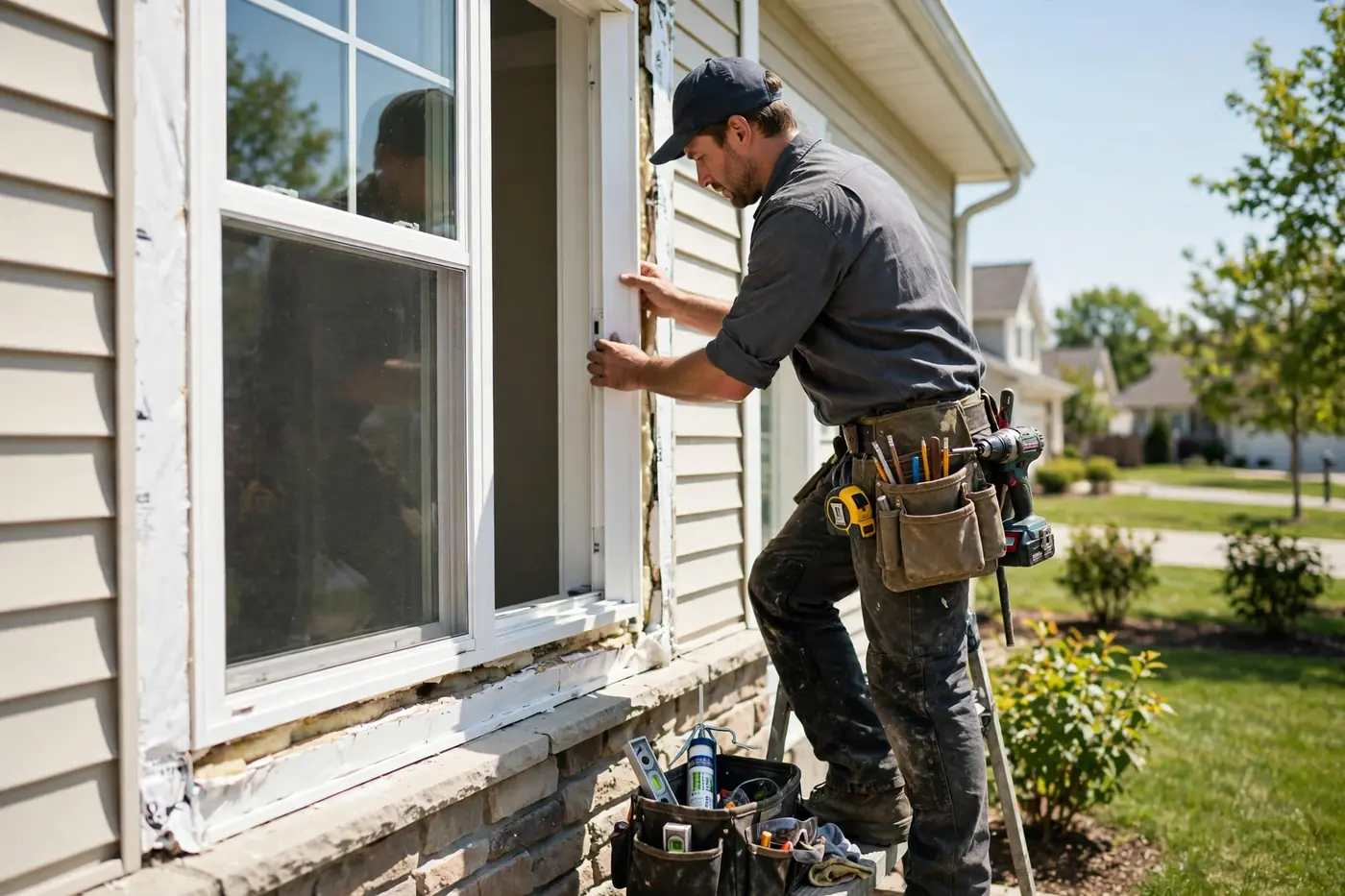
In 2026, most US homeowners pay roughly $500 to $900 per window installed, based on national cost guides. A typical 10-window project runs $5,000 to $14,000. Your exact number depends on frame material, style, glass, and installation method — so get at least three local quotes before budgeting.
Key takeaways
- National cost guides put the typical installed price at $300 to $1,500 per window, with most standard projects landing between $500 and $900 per window.
- A 2026 survey of 1,000 window customers found an average of $517 per installed window and about $7,183 per project — but averages hide wide variation.
- Frame material is the single biggest cost lever: vinyl is the budget standard, while wood and fiberglass can double or triple the per-window price.
- Full-frame installation adds roughly 40–100% compared with insert (pocket) replacement, because it involves more labor, framing, and trim work.
- Always get at least three detailed local quotes — two neighbors can receive bids hundreds of dollars apart for the same job.
The national numbers: what homeowners actually pay
Let’s start with the big picture. Pull together the major national cost guides published for 2026 and a consistent picture emerges: replacing a single window, unit plus professional installation, typically falls somewhere between $300 and $1,500. That is a wide band, and it exists because “a window” is not one product — a basic vinyl double-hung and a custom wood bay window live in different price universes.
Most guides cluster the typical project — standard-size vinyl or mid-range windows, insert installation, double-pane glass — at roughly $500 to $900 per window installed. One widely cited 2026 homeowner survey landed at $517 per window on average, with an average total project spend near $7,200. Other guides report higher averages, around $800 per window, reflecting premium materials and full-frame work in the mix.
Project totals scale with window count, but not perfectly — contractors usually discount multi-window jobs. Here is how whole-project budgets typically break down, based on national cost guides as of 2026:
| Project scope | Typical cost range (installed) |
|---|---|
| Single window (standard vinyl) | $400 – $900 |
| Small project (5–8 windows) | $2,500 – $7,500 |
| Mid-size home (10–15 windows) | $5,000 – $18,000 |
| Large home (20+ windows) | $15,000 – $35,000+ |
| Premium materials (wood/fiberglass, full home) | $15,000 – $40,000+ |
Treat every number above as a planning range, not a quote. Your market’s labor rates, your home’s condition, and your product choices will push you toward one end of the band or the other. That is exactly why the rest of this guide breaks down what moves the price — once you understand the levers, you can read any quote with confidence. For a deeper look at unit economics, see our full per-window price breakdown.
The five things that move your price
Two quotes for “ten new windows” can differ by $5,000 or more without either contractor doing anything wrong. The difference almost always comes down to five decisions. Understand them and you will never be blindsided by a bid again.
1. Frame material
This is the heavyweight. Based on national cost guides as of 2026, installed per-window ranges by frame material look roughly like this: vinyl $300–$1,600, aluminum $500–$1,400, fiberglass $700–$2,400, wood-clad $600–$3,500, and composite $1,000–$3,500. Vinyl dominates the US replacement market because it delivers solid insulation and durability at the lowest price — most budget and mid-range projects use it. Fiberglass costs more but resists warping and expansion better, which matters in climates with big temperature swings. Wood and wood-clad sit at the premium end: beautiful and traditional, but pricier to buy and more demanding to maintain. If a quote seems shockingly high or suspiciously low, the first thing to check is what frame material it specifies.
2. Window style and size
A standard double-hung window is the baseline — simple mechanics, standard sizes, fast installs. Move to casements and you add crank hardware and tighter sealing engineering, which typically adds $50–$150 per window over a comparable double-hung. Sliders sit near double-hungs on price. Picture windows are cheap per square foot of glass (no moving parts) until you go oversized. Bay and bow windows are a different category entirely — $1,500 to $4,500+ per unit installed — because they are structural projects involving framing, roofing, and interior finish work. Size matters proportionally: larger openings mean more material, heavier units, and often a two-person crew instead of one.
3. Glass package
Basic double-pane glass is the default in most quotes. Stepping up to triple-pane, low-E coatings, or argon/krypton gas fills adds measurable cost per window — commonly a few hundred dollars — while improving insulation. Whether that premium pays off depends on your climate and energy prices, not on the salesperson’s enthusiasm. In mild climates, the payback math is often weak; in very hot or very cold regions, it is stronger. Do not let a quote bundle an upgraded glass package without showing it as a separate line item — you should be able to see exactly what the efficiency upgrade costs.
4. Installation method: insert vs. full-frame
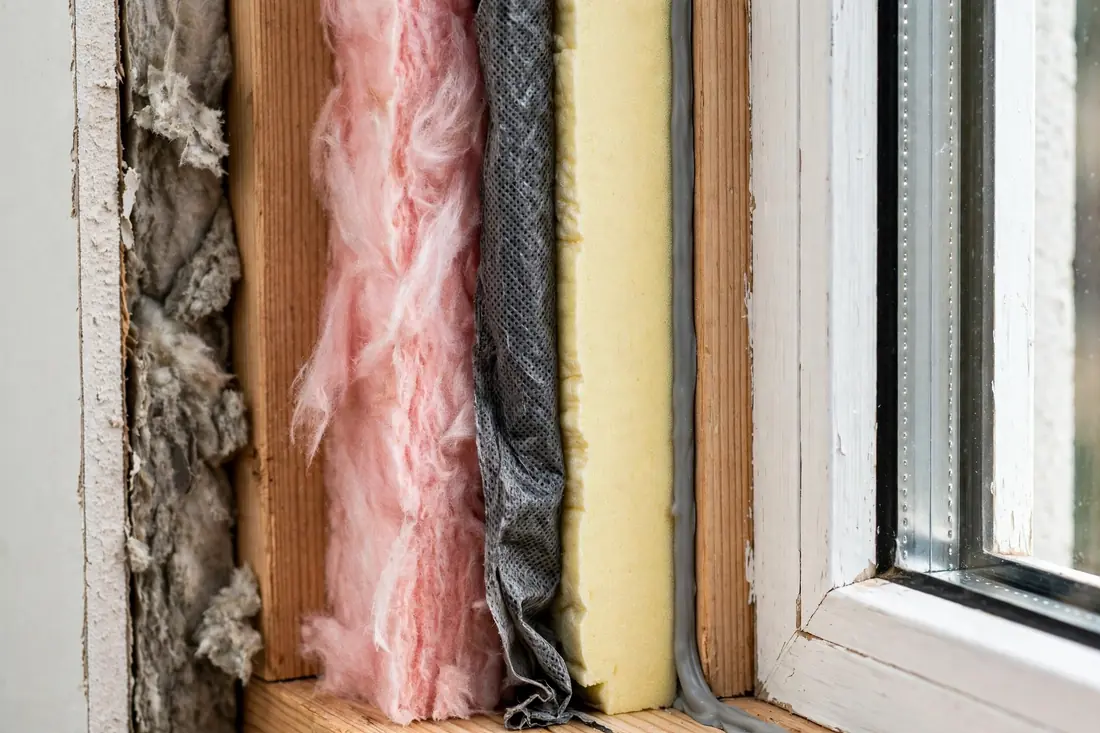
An insert (pocket) replacement slides a new window into your existing frame — faster, cleaner, cheaper. A full-frame replacement tears out everything down to the studs, which you need when frames are rotted, out of square, or you want to change the size or style of the opening. National guides estimate full-frame work adds roughly 40–100% per window over insert installation. Many homes need a mix: inserts where frames are sound, full-frame where they are not. A trustworthy contractor will tell you which openings need which method and why — and the reasoning should be visible (rot, damage, size change), not just asserted.
5. Local labor rates and project conditions
Labor is the most regionally variable line item. Major metro areas and coastal markets routinely run 20–50% above national medians, while rural markets can come in below. Second-story windows, hard-to-reach openings, lead paint remediation in older homes, and hidden rot discovered mid-project all add labor cost. Permits are another regional wildcard: many jurisdictions require permits for full-frame replacement, while simple insert jobs often do not. None of this is negotiable in the “shop harder” sense — it is the cost of your specific house in your specific market, which brings us back to local quotes.
Hidden costs most quotes don’t spell out
The per-window price is only part of the story. When you compare bids, check whether each of these is included or extra:
- Old window removal and disposal — typically $10–$20 per window, sometimes folded into labor, sometimes a separate line.
- Interior and exterior trim/finish work — full-frame jobs especially; ask whether painting and casing are included.
- Structural repairs — rotted framing or water damage found during tear-out. Get the contractor’s hourly or per-opening rate for this before work starts.
- Permits and inspections — $30–$150+ depending on your municipality; confirm who pulls the permit.
- Upgraded hardware, grids, or custom colors — small per-window add-ons that compound across a whole house.
A quote that itemizes these is worth more than a cheaper lump-sum quote that does not. You cannot compare two bids fairly unless you know what each one actually includes — which is also why getting accurate window replacement quotes is a skill worth learning before you sign anything.
How to budget for your project in six steps
- Count and measure your windows. Walk the house, count every window, and note style, approximate size, and condition of each frame. This is the inventory every contractor needs.
- Pick a material tier. Use the ranges above to choose: budget (vinyl), mid-range (better vinyl or fiberglass), or premium (wood-clad/composite). This single choice sets your budget band.
- Decide on installation method per opening. Sound frames get inserts; damaged frames or size changes get full-frame. Expect a mix.
- Build your range. Multiply your window count by the per-window range for your tier, then add 10–15% contingency for hidden conditions like rot.
- Get three or more itemized quotes. Same scope, same materials, same methods — then compare line by line, not just the bottom line.
- Check incentives before you sign. Note that the federal 25C tax credit for windows expired at the end of 2025, based on national cost guides as of 2026 — look instead to state and utility rebate programs, which vary widely.
Labor pricing deserves its own look: how window installation labor is priced explains what installers charge per window, what is included, and where the extra fees hide.

Mistakes that inflate the bill
- Comparing lump sums instead of line items. A $9,000 bid and a $12,000 bid are not comparable until you know the material, glass, and method behind each.
- Replacing windows that only need repair. Fogged glass can often be fixed with a glass-unit replacement ($70–$200 for seal issues) instead of a whole new window.
- Signing at the kitchen table. High-pressure “today only” discounts are a classic tactic. A fair price is still fair tomorrow.
- Ignoring the installation method. Paying full-frame prices for openings that only needed inserts is one of the most common ways homeowners overpay.
- Skipping the contingency. Older homes hide rot. Budget 10–15% extra so a surprise does not derail the project.
Frequently asked questions
What is the average cost to replace all windows in a house?
For a typical home with 10–15 windows, national cost guides as of 2026 suggest roughly $5,000–$18,000 for standard vinyl with insert installation. Premium materials or full-frame work can push a whole-house project past $25,000. Your window count is the biggest multiplier — count yours before trusting any “average home” figure.
Is it cheaper to replace all windows at once?
Usually, yes. Contractors commonly discount multi-window projects by roughly 10–20% compared with one-at-a-time pricing, because mobilization, measurement, and crew scheduling cost nearly the same whether they install four windows or fourteen. If your budget allows, bundling is the single easiest way to lower your per-window cost.
How much should I budget per window for good quality?
For a solid mid-range vinyl window with professional insert installation, most guides point to roughly $600–$1,000 per window in 2026. Below that band, scrutinize the material and glass specs; above it, make sure you are paying for real upgrades (fiberglass, triple-pane, full-frame) and not just markup.
Do new windows pay for themselves in energy savings?
Partially, and slowly. Swapping old single-pane windows for efficient double-pane units can trim heating and cooling costs — national guides cite savings up to around 13% on energy bills — but at typical project prices the payback period is measured in many years, often a decade or more. Buy windows for comfort, noise, and home value first; treat energy savings as a bonus, not the business case.
Your next step
You now know the national ranges and the five levers that move your price. The next move is concrete: count your windows, pick a material tier, and request three itemized quotes for the exact same scope. Start with our step-by-step guide to getting accurate quotes, linked above, so every bid you receive is genuinely comparable — that one habit will save you more money than any haggling trick.
2 thoughts on “How Much Does Window Replacement Cost in 2026?”