The short answer
Sometimes — and the honest answer depends entirely on what you are replacing. If your home still has old single-pane windows, efficient replacements can save $101–$583 per year on utilities (per U.S. Department of Energy and ENERGY STAR figures) and the upgrade usually earns its keep. If your current double-pane windows are simply aging, the extra you pay for top-tier efficiency may take 15–25 years to pay back in energy savings alone. The full picture includes comfort and resale value, not just the utility bill.
What “energy-efficient” actually costs extra
Almost every new window sold today is more efficient than what it replaces. The real question is the premium: what you pay above a basic new window for high-performance glass and frames.
Based on national cost guides as of 2026, the efficiency upgrades typically add:
- Low-E coatings: roughly $50–$150 per window over clear double-pane glass
- Argon gas fill: roughly $30–$75 per window
- Triple-pane over double-pane: roughly $100–$300+ per window
- Premium warm-edge spacers and upgraded frames: varies, often bundled
All in, expect the efficiency premium to run about $100–$400 per window above a basic double-pane unit. On a 15-window house, that is $1,500–$6,000 on top of the base project. Whether that premium is money well spent is a math problem — so let us do it honestly.
If the alphabet soup of efficiency specs is new to you, our plain-English guide to U-factor, SHGC, and ENERGY STAR decodes what you are actually paying for.
The payback math, done honestly
Here is where most articles (and most salespeople) go wrong: they divide the entire project cost by annual savings and declare a payback period. That math answers the wrong question. You needed new windows anyway — the old ones were failing. The question is only whether the efficiency premium pays for itself versus buying basic new windows.
Walk through it with labeled, realistic assumptions:
Scenario A: replacing single-pane windows in a cold climate. Fifteen windows at $600 each basic ($9,000), plus a $150/window efficiency premium ($2,250), for $11,250 total. DOE/ENERGY STAR data suggests replacing single-pane windows saves roughly $101–$583 per year; take a middle-ish $350 for a cold-climate home. But basic new double-pane windows would capture most of that — the premium’s share might be $100–$200 per year. At $150/year, the $2,250 premium pays back in about 15 years. Within the windows’ 20–30 year lifespan, with comfort gains on top. Reasonable.
Scenario B: replacing aging but decent double-pane windows. Same $2,250 premium. Annual savings from the premium tier: DOE figures put double-pane-to-efficient savings at roughly $27–$197 per year; the premium’s slice might be $50–$100. At $75/year, payback stretches to 30 years — beyond the likely life of the windows. On energy math alone, the premium does not earn out. You are buying comfort and quiet, not savings.
Notice what changed between the scenarios: not the windows, but what they replaced. The worse your current windows, the better efficiency pays. The better your current windows, the more you are paying for comfort rather than returns. Anyone who gives you a single payback number without asking about your existing windows is selling, not advising.
Three situations, three answers
| Your situation | Worth the premium? | Why |
|---|---|---|
| Single-pane or failing windows, cold or hot climate | Usually yes | Biggest savings gap ($101–$583/yr); premium often pays back within the window lifespan |
| Aging double-pane, staying 15+ years | Maybe — for comfort | Energy payback is slow ($27–$197/yr range); buy it for drafts, noise, and comfort, not ROI |
| Selling within 5 years | Basic efficient, not premium | Buyers value “new windows,” not U-factors; you will not recover a triple-pane premium at resale |
What the salespeople won’t tell you
Resale recovery is partial. Remodeling industry data (the well-known Cost vs. Value report published by the Journal of Light Construction) has consistently estimated vinyl window replacement recoups roughly 70–76% of project cost at resale. That is respectable — but it is not 100%, and appraisers do not add line items for your triple-pane upgrade. The next buyer pays for “new windows,” full stop.
The federal tax credit expired. The Section 25C Energy-Efficient Home Improvement Credit, which previously offered credits for qualifying window upgrades, expired on December 31, 2025. Do not let anyone factor a federal credit into your 2026 payback math. Some state and utility rebates still exist — check your utility’s website — but verify them yourself rather than trusting a quote sheet.
“These windows pay for themselves” is the oldest line in the book. Run the premium-only math above on any claim. If a salesperson cannot show you the per-window premium and the assumed annual savings in writing, the claim is theater.
Rising energy prices quietly shorten every payback. The math above uses today’s utility rates, but electricity and gas prices have historically trended upward over multi-decade spans. If your rates rise, your annual savings rise with them, and a 20-year payback computed today can become a 15-year payback in practice. This does not rescue a bad investment — but it is a fair tailwind to acknowledge when the math is borderline. Just do not let a salesperson turn “rates might rise” into a guaranteed return; model the base case, treat rising rates as upside.
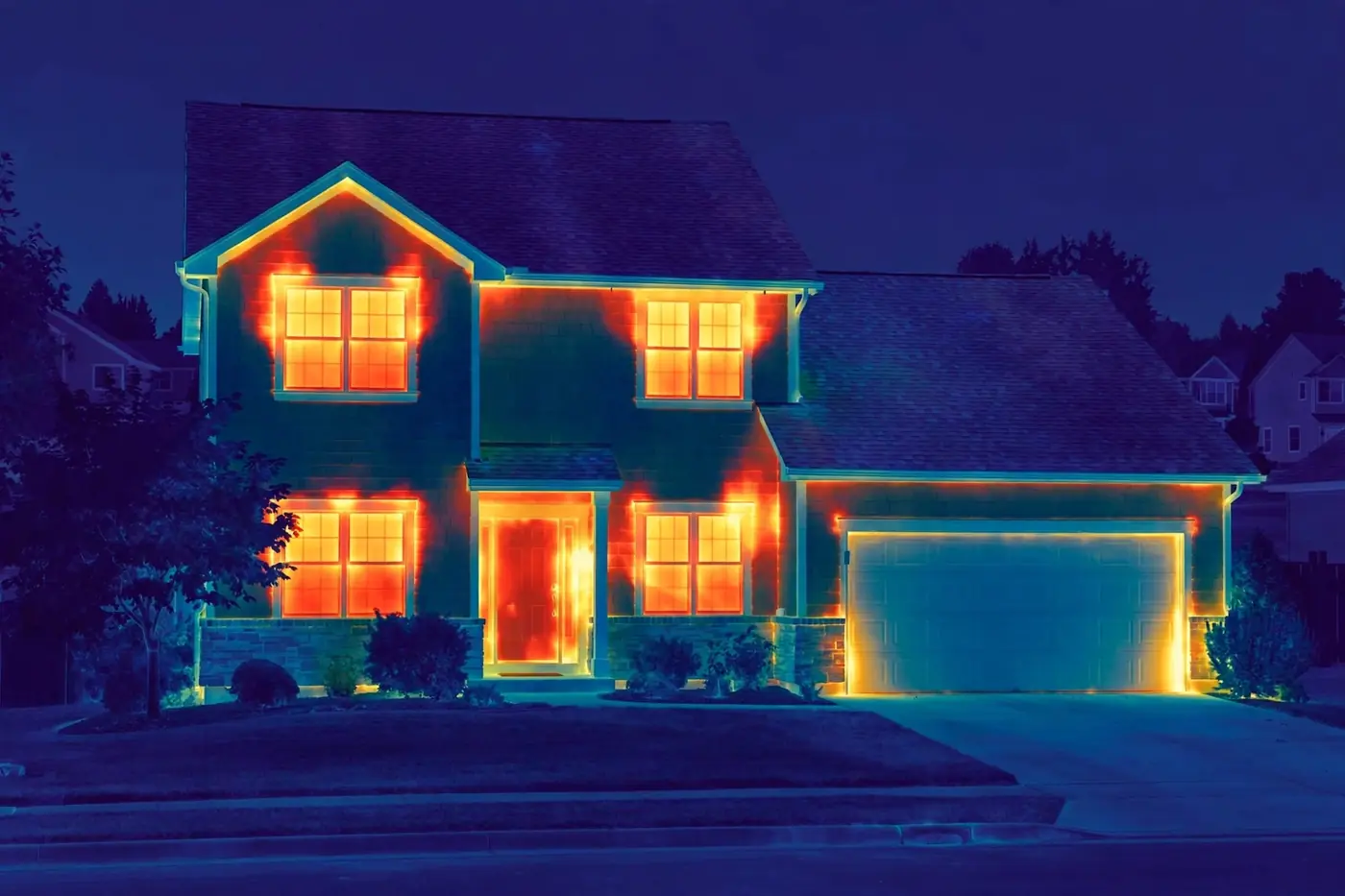
Efficiency does not fix a bad house. Windows account for an estimated 25–30% of a home’s heating and cooling energy use (per the U.S. Department of Energy) — which means 70–75% is not the windows. If your attic has six inches of ancient insulation and your ducts leak into the crawlspace, premium windows are an expensive way to solve the smaller problem. Air sealing and attic insulation almost always deliver more savings per dollar.
The comfort argument (the real reason people buy)
Here is the part the spreadsheets miss: nobody who upgrades from drafty single-pane windows to good modern units ever says “I wish I had kept the drafts.” The payback conversation treats windows as a financial instrument. They are not. They are the thing between you and January.
Efficient windows keep interior glass surfaces closer to room temperature, which kills the cold downdraft you feel sitting near an old window. They cut outside noise noticeably — double-pane with laminated or dissimilar glass is a genuine quality-of-life upgrade on a busy street. They reduce condensation, fading of furniture from UV, and the winter ritual of plastic film over the frames.
None of that shows up in a payback calculation, and all of it is real. If you can afford the premium and you plan to live with the windows for a decade or more, “it will feel dramatically better every single day” is a legitimate reason to buy — just be honest with yourself that comfort, not profit, is what you are purchasing.
Mistakes that waste the efficiency premium
- Paying for triple-pane in a mild climate. The energy delta between good double-pane and triple-pane in San Diego or Atlanta is tiny. Match the glass to the climate — our realistic savings guide shows what different starting points actually save.
- Ignoring installation quality. The finest U-factor on earth means nothing if the crew skips the perimeter foam and the caulk fails in two years. A mid-grade window installed perfectly beats a premium window installed sloppily.
- Upgrading windows before air sealing. The cheapest energy savings in most homes are caulk, weatherstripping, and attic air sealing — often under $500 total. Do those first; then size your window investment against what remains.
- Chasing ratings instead of fit. A window with a stellar U-factor but the wrong SHGC for your climate (too much solar gain in Phoenix, too little in Minneapolis) underperforms a “worse” window chosen correctly. Ratings are tools, not scores.
- Financing the premium at high interest. A 15% APR home-improvement loan quietly adds hundreds to that $2,250 premium. If you are borrowing, run the payback math with the interest included.
Key takeaways
- The efficiency premium runs ~$100–$400 per window above basic new units; judge the premium, not the whole project.
- Replacing single-pane windows: savings of $101–$583/year make the premium defensible (DOE/ENERGY STAR figures).
- Replacing decent double-pane: savings of $27–$197/year mean the premium is a comfort purchase, not an investment.
- Resale recoups roughly 70–76% of window project costs — good, but not full recovery of a premium package.
- The 25C federal tax credit expired 12/31/2025; verify any rebate claims yourself.
- Comfort, noise, and condensation improvements are real benefits that never appear in payback math.
Frequently asked questions
Do energy-efficient windows really lower bills?
Yes, measurably — most dramatically when replacing single-pane windows, where DOE/ENERGY STAR data shows $101–$583 in annual savings. Replacing already-decent double-pane units saves much less ($27–$197/year). The starting point determines everything.
Is triple-pane worth it?
In very cold climates (Upper Midwest, New England, mountain states), often yes — the comfort and savings delta is meaningful. In mild climates, the payback stretches past the window’s lifespan for most homes. Match glass to climate, not to marketing.
Will new windows increase my home’s value?
They help marketability and typically recoup around 70–76% of cost at resale per industry remodeling data. But buyers pay for “new windows” generally — premium efficiency specs do not add proportional extra value.
Should I replace windows just to save energy?
Usually not as a standalone project. If your windows are functional, air sealing and attic insulation deliver more savings per dollar. Replace windows for energy reasons when they are already failing — then buy the efficiency level the math supports. Material choice affects the budget too; see our wood window cost guide for how premium materials shift the equation.
Your next step
Do the premium-only math for your house: get quotes that separate the base window price from the efficiency upgrade cost, estimate your annual savings from the DOE ranges above based on your current windows, and divide. If the premium pays back within half the windows’ expected life — or if the comfort gains alone are worth it to you — buy the upgrade with confidence. If not, put the savings toward air sealing and buy the solid mid-grade units. Either way, you will have made the decision with numbers instead of slogans.
1 thought on “Are Energy-Efficient Windows Worth the Extra Cost?”