The short answer
Three ratings tell you almost everything about a window’s energy performance. U-factor measures how fast heat escapes through the window — lower is better. SHGC (Solar Heat Gain Coefficient) measures how much of the sun’s heat passes through — lower blocks more heat. ENERGY STAR certification means the window meets EPA efficiency thresholds for your climate zone. Compare these numbers across quotes and you’ll know exactly what you’re paying for.
The three numbers that actually matter
Window salespeople love jargon. Strip it away and nearly every energy claim on a quote traces back to three numbers printed on the NFRC label — the small sticker the National Fenestration Rating Council requires on every new window sold in the US. Learn these three and you can evaluate any window in about thirty seconds.
U-factor: how fast heat escapes
U-factor measures the rate of heat transfer through the entire window — glass, frame, and all. It runs on a scale where lower is always better. A window with a U-factor of 0.22 loses heat about half as fast as one rated 0.44.
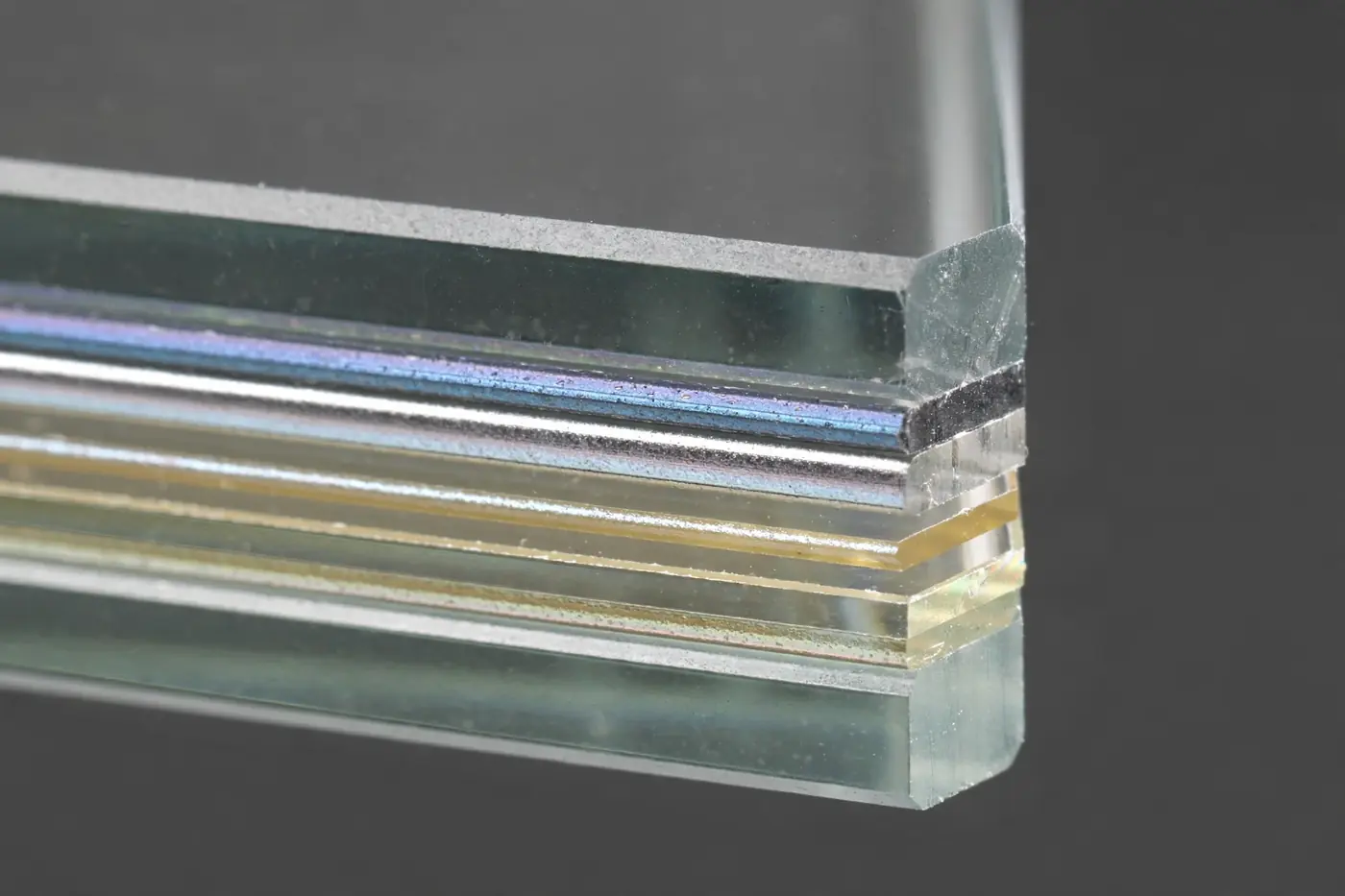
For context, an old single-pane aluminum window — the kind still sitting in millions of 1960s and 70s ranch homes — typically rates around 1.0 or worse. A basic new double-pane vinyl window lands near 0.30. A high-performance triple-pane unit can reach 0.15 to 0.20. Each step down the scale means less of your furnace’s output leaking straight through the glass in January.
One nuance worth knowing: some quotes list “center-of-glass” U-factor instead of whole-unit U-factor. Center-of-glass numbers always look better because they ignore the frame, where heat escapes fastest. The NFRC label always shows whole-unit performance — that’s the number to compare.
SHGC: how much sun heat comes in
SHGC runs from 0 to 1 and measures what fraction of solar heat passes through the window. A window with an SHGC of 0.25 admits 25 percent of the sun’s heat; one rated 0.40 admits 40 percent. Here, lower means more heat blocked.
Whether you want a low or moderate SHGC depends entirely on where you live. In Phoenix or Miami, a low SHGC (0.23 or below) keeps brutal afternoon sun from turning your living room into a greenhouse and cuts air-conditioning load. In Minneapolis or Buffalo, a moderate SHGC (0.30 to 0.40) lets welcome winter sunshine help heat the house, trimming furnace run time.
This is the rating most buyers ignore, and it’s the one most likely to be wrong for their climate. A window optimized for Florida will underperform in Minnesota and vice versa — same brand, same price tier, wrong glass.
Visible transmittance: the bonus number
Visible transmittance (VT) measures how much daylight passes through, also on a 0 to 1 scale. Higher means a brighter room. Heavy low-E coatings that block heat can also dim the view slightly, so VT tells you what you’re trading for efficiency.
Most buyers don’t need to obsess over VT. Just glance at it: anything above 0.40 looks clear and bright in normal use. If a quote shows VT below 0.30, ask to see a sample — the glass may have a noticeable tint.
What ENERGY STAR certification actually means
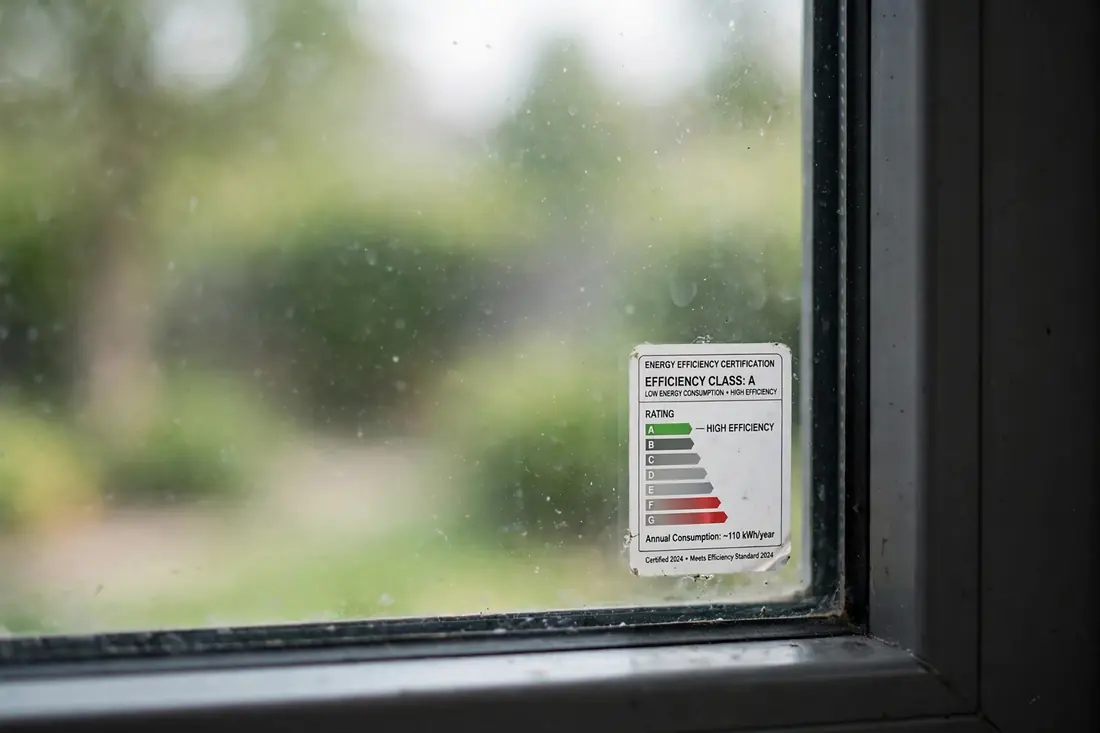
ENERGY STAR is the EPA’s certification program, not a brand. A window earns the blue label by meeting U-factor and SHGC thresholds set for one of four US climate zones. The current thresholds come from Version 7.0 of the specification, effective October 2023 — the strictest the program has ever set.
Here are the current requirements:
| Climate zone | U-factor | SHGC |
|---|---|---|
| Northern (New England, Great Lakes, Pacific Northwest) | 0.22 or lower | 0.17 or higher |
| North-Central (Mid-Atlantic, Midwest) | 0.25 or lower | 0.40 or lower |
| South-Central (Texas, Southeast interior) | 0.28 or lower | 0.23 or lower |
| Southern (Florida, Gulf Coast, Southern California, Hawaii) | 0.32 or lower | 0.23 or lower |
Notice the Northern zone is the odd one: it requires a minimum SHGC of 0.17, because in cold climates you actually want some winter sun helping with heat. Everywhere else, the SHGC has a maximum — blocking heat is the goal.
A critical detail: a window certified for the Southern zone is not automatically certified for the Northern zone. The label must match your zone. When a contractor says “these are ENERGY STAR windows,” ask which zone they’re certified for. If they can’t answer, that’s a conversation worth having before you sign anything — and our guide to whether energy-efficient windows are worth the extra cost walks through how much that certification premium typically runs.
How to read the NFRC label in 60 seconds
Every new window carries an NFRC label — usually a white sticker on the glass. Here’s how to read it without a engineering degree:
- Find the U-factor (listed as “U-Factor”). Whole-unit number. Compare it against the ENERGY STAR threshold for your zone.
- Find the SHGC (“Solar Heat Gain Coefficient”). Check whether it’s low enough for a hot climate or moderate enough for a cold one.
- Check “Air Leakage.” This optional rating measures how much air sneaks through the assembled window. At or below 0.30 is standard; 0.10 or lower is excellent. Casement windows tend to score best here because the sash presses tight against the frame when closed.
- Note the VT (“Visible Transmittance”) so you know how bright the room will feel.
- Confirm the ENERGY STAR zone map on the label matches where you actually live — not where the window was manufactured.
That’s it. Five glances, one minute, and you know more about the window’s performance than most sales presentations will tell you.
What to actually shop for in your climate
Ratings only help if you match them to your weather. Here’s the practical shopping list by region:
Cold climates (Northern and North-Central zones)
Prioritize the lowest U-factor your budget allows — that’s where your heating dollars go. Look for U-0.25 or better in the North-Central zone and U-0.22 or better in the Northern zone. Keep SHGC moderate (0.30 to 0.40 in North-Central) so winter sun still contributes free heat. Triple-pane glass earns its keep here: it typically costs about 25 to 40 percent more than double-pane per national cost guides as of 2026, but the heating savings are largest where winters are longest.
Mixed climates (South-Central zone)
You need balance: decent insulation for winter plus real solar control for summer. Target U-0.28 or better with SHGC at or below 0.23. A quality double-pane window with a good low-E coating usually hits this sweet spot without the triple-pane premium.
Hot climates (Southern zone)
SHGC is your most important number — it’s doing most of the work against your air-conditioning bill. Target 0.23 or lower, and don’t pay extra to chase an ultra-low U-factor; below about 0.30 you hit diminishing returns fast in cooling-dominated climates. Put the savings toward better installation instead.
Rating mistakes that cost buyers real money
After years of watching homeowners shop for windows, the same rating mistakes come up again and again:
- Comparing center-of-glass to whole-unit numbers. A salesperson quoting a 0.20 center-of-glass U-factor against a competitor’s 0.25 whole-unit rating isn’t making an apples-to-apples comparison. Always compare NFRC whole-unit figures.
- Chasing the lowest U-factor in a hot climate. In Florida, the difference between U-0.28 and U-0.22 barely moves your electric bill, but the price difference is real. Match the rating to the climate.
- Ignoring air leakage. Two windows can share identical U-factors while one leaks twice as much air. If the label shows air leakage, favor the lower number — drafts destroy comfort faster than glass performance.
- Assuming ENERGY STAR means lowest bills. The label certifies a threshold, not a ranking. Two ENERGY STAR windows in the same zone can still differ meaningfully. And remember that ratings only describe the window — what new windows actually save on energy bills depends just as much on your old windows, your climate, and the quality of the installation.
- Paying for ratings you can’t use. A triple-pane, krypton-filled unit with a U-factor of 0.15 is an engineering marvel — and a waste of money on a shaded north-facing bedroom in San Diego. Buy the performance your house needs, not the best number on the shelf.

Quick answers
Is a lower U-factor always worth paying for?
Not always. In cold climates, yes — every step down in U-factor trims heating costs. In hot climates, prioritize SHGC instead; ultra-low U-factors deliver little extra savings where air conditioning dominates. Match the upgrade to your climate zone.
Do I need triple-pane windows?
Usually only in cold climates (the Northern zone and the colder parts of North-Central). Triple-pane typically adds 25 to 40 percent to the per-window cost versus double-pane, based on national cost guides as of 2026. In mild or hot climates, a quality double-pane with low-E coating delivers nearly all the benefit for much less money.
What’s the difference between ENERGY STAR and NFRC?
NFRC is the independent testing body that measures and labels window performance — every new window gets an NFRC label. ENERGY STAR is the EPA certification program that sets pass/fail thresholds using those NFRC numbers. Think of NFRC as the scale and ENERGY STAR as the grade.
Can a window be efficient but wrong for my house?
Absolutely. A Southern-zone window installed in Minnesota meets its own label but misses the insulation your winters demand. Always verify the ENERGY STAR climate zone on the label matches your home’s location.
Do ratings account for installation quality?
No — and this is the biggest gap in the whole system. Ratings describe a perfectly installed window in a lab. A poorly installed premium window will underperform a well-installed mid-range one. The label tells you the window’s potential; the installer determines how much of it you actually get.
Your next step
Pull out any window quote you’re considering and find the NFRC numbers on it — U-factor, SHGC, and the ENERGY STAR zone. Compare them against the thresholds in the table above for your climate zone. If a quote doesn’t list ratings at all, that’s your sign to ask for them in writing before the conversation goes any further. And if you’re wondering what those better ratings are actually worth in dollars, read our breakdown of realistic energy bill savings from new windows next — no hype, just the math.
1 thought on “Window Energy Ratings Explained: U-Factor, SHGC, ENERGY STAR”