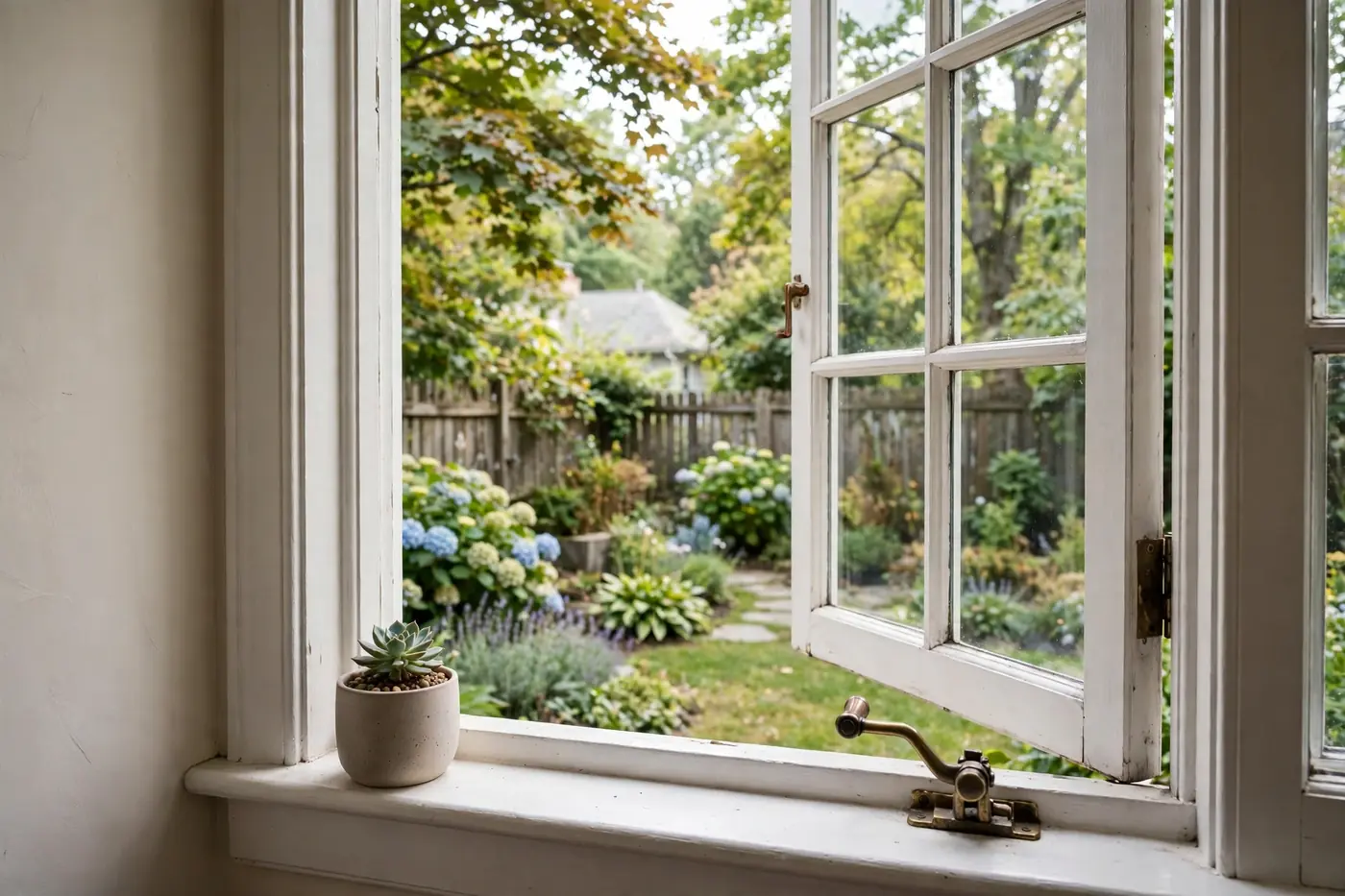
Casement windows typically cost $400 to $1,200 per window installed in 2026, based on national cost guides — roughly $50–$150 more than a comparable double-hung. The premium buys crank hardware and a tighter compression seal. They are worth it in kitchens, bathrooms, and windy climates; elsewhere, the extra spend is optional.
Key takeaways
- Installed price, based on national cost guides as of 2026: $400–$1,200 per window; most standard vinyl casements land at $500–$900.
- The casement premium over double-hung (~$50–$150/window) comes from crank operators, hinges, and sealing engineering — not bigger glass.
- Best value situations: over kitchen sinks, in bathrooms, in windy/cold climates, for aging-in-place accessibility, and in rooms starved for airflow.
- Watch the downsides: exterior clearance (sashes swing outward), harder exterior cleaning, and crank mechanisms that need occasional service.
- Installation labor is similar to double-hung — roughly $100–$250 per window — so quotes should not show a labor surcharge for the style alone.
Casement costs at a glance
Installed per-window ranges for standard sizes, based on national cost guides as of 2026. These assume professional installation and double-pane glass unless noted:
| Frame material | Installed per window | Notes |
|---|---|---|
| Vinyl | $400 – $750 | The value pick; most residential casements |
| Aluminum | $500 – $900 | Slim profiles; weaker insulation |
| Fiberglass | $600 – $1,000 | Stiff frames suit large casement sashes well |
| Wood / wood-clad | $700 – $1,150 | Premium look; most maintenance |
| Triple-pane upgrade (any material) | +$200 – $400 | Adder on top of the ranges above |
| Oversized / custom shapes | $900 – $1,200+ | Large sashes need heavier-duty hardware |
For context, a comparable double-hung in vinyl runs about $350–$650 installed — so the style premium is real but modest. If a quote prices a standard vinyl casement far above $900 without triple-pane glass or custom sizing, ask for the breakdown: the unit should not cost double its double-hung sibling. Our head-to-head cost comparison with double-hung lays the two styles side by side line by line.
What the casement premium actually buys you
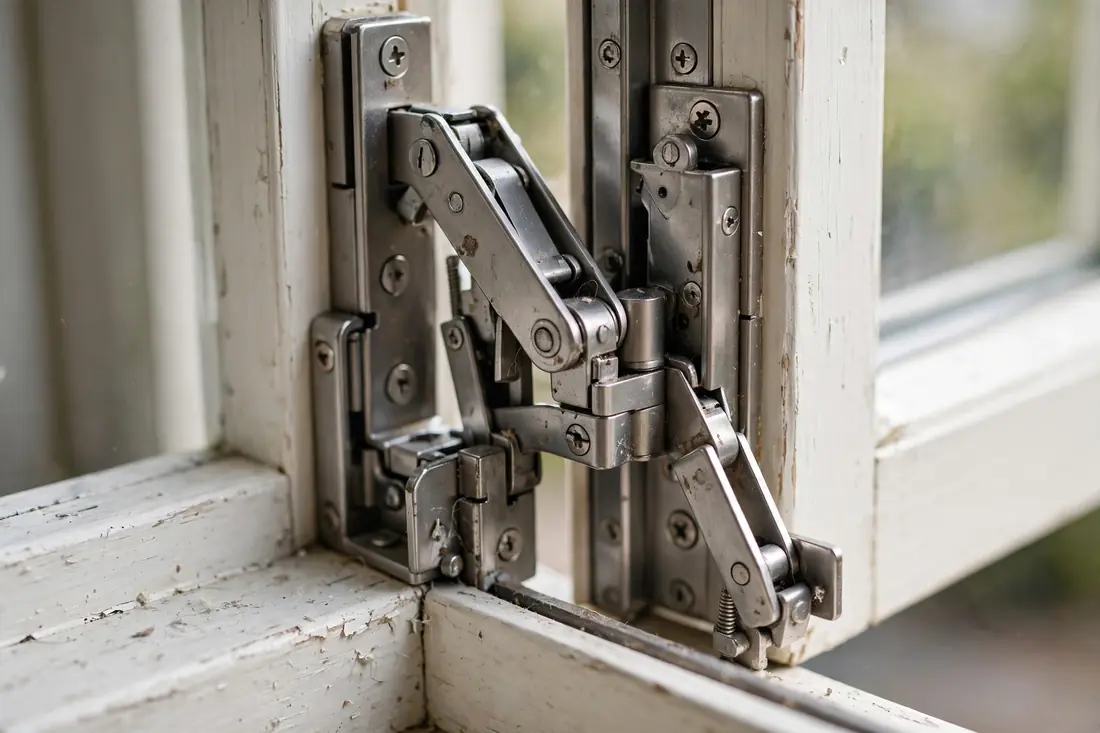
It helps to know where the extra $50–$150 goes, because it is not marketing — it is hardware. A casement sash hangs on hinges and is driven by a crank operator with folding arms, all of which must hold a large, heavy sash perfectly aligned for decades. When you crank it shut, the sash pulls inward and compresses directly against continuous weatherstripping around the entire frame. That compression seal is the engineering heart of the casement: it is why the style tests better for air infiltration than sliding designs, whose seals must allow movement and therefore can never squeeze as tight.
You are also paying for precision manufacturing. A double-hung sash that is a sixteenth of an inch off still slides; a casement sash that is a sixteenth off will not close properly. Tighter tolerances cost more to build. Whether that precision is worth paying for depends entirely on whether you will use the advantages — which is what the decision criteria below are for.
The honest pros
- Best-in-class ventilation. The sash opens a full 90 degrees and its angle scoops side breezes into the room. No other common style moves as much air through the same opening.
- Tightest air seal. Compression weatherstripping outperforms sliding seals, measurably reducing drafts — a comfort upgrade you feel on windy winter nights.
- Effortless operation. One smooth crank turn versus lifting a sash. Over a sink, a tub, or a deep counter, this is not a luxury — it is the difference between a window you use and one you don’t.
- Clear, unobstructed views. No meeting rail across the middle. For picture-window-style sightlines that still open, casements are the answer.
- Strong security. The hook-shaped locks embedded in the frame are inherently resistant to jimmying — a casement is difficult to force from outside when locked.
The honest cons
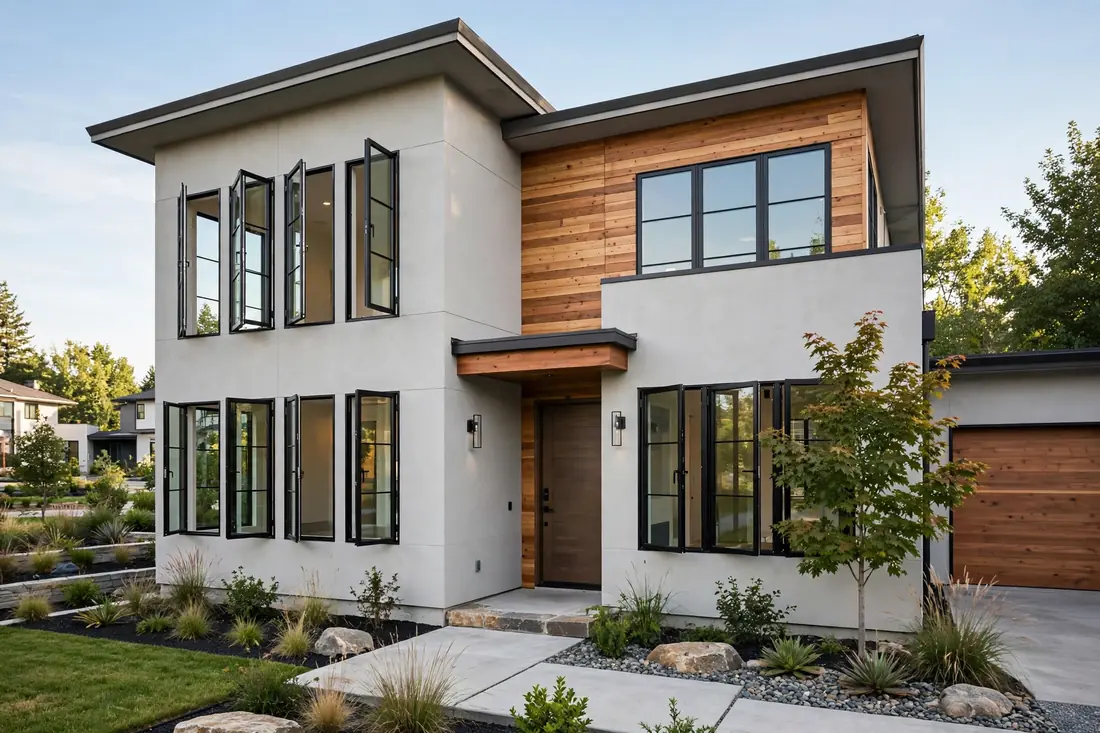
- Exterior clearance required. The sash swings outward into patios, walkways, and landscaping. Poor placement creates daily annoyance and, in some jurisdictions, code issues.
- Exterior cleaning is harder. No tilt-in feature — second-story exterior glass means a ladder or a pro. Factor this into placement decisions now, not later.
- Crank mechanisms need service. Operators and hinges are wear items over a 20–30 year life. Quality hardware lasts; bargain hardware strips, sticks, and frustrates. This is a real argument for mid-range units over the cheapest option.
- Wind vulnerability. An open casement sash is a sail. In high-wind areas, open sashes can slam or stress hinges — another reason placement and hardware quality matter.
- Size limits. Very large openings need divided or reinforced units; a single giant casement sash is heavy and hard on hardware. Wide openings often work better as sliders or fixed-plus-casement combos.
Five situations where casements are worth the premium
1. Over the kitchen sink. The canonical casement location. Crank operation at arm’s length, maximum ventilation for cooking odors and moisture, and a clear view while you work. If you install casements in exactly one room, make it this one.
2. Bathrooms and laundry rooms. Moisture control demands real airflow, and these windows often sit over fixtures where a double-hung sash would be a stretch. The casement’s full opening clears humidity fast.
3. Windy or very cold climates. This is where the compression seal earns its keep in comfort and heating bills. If your current windows whistle on winter nights, casements are a genuine upgrade, not a cosmetic one.
4. Aging in place. Arthritis, limited reach, wheelchair use — the crank is the easiest window operation that exists. For a forever home, this is a functional decision with decades of payoff.
5. Stuffy, under-ventilated rooms. A bedroom or office that never gets a cross-breeze transforms with a casement’s full-swing opening. The airflow difference versus a half-open double-hung is not subtle.
Three situations where they are not
1. Over patios, decks, and walkways. An open sash at head height in a traffic path is a hazard and an annoyance. Use double-hungs or sliders here without guilt.
2. Second-story windows you will need to clean. Without tilt-in sashes, upstairs exterior glass becomes a recurring chore or a recurring bill. Double-hungs win on maintenance practicality.
3. Pure budget whole-house replacement. If the premium across 15 windows would force you into cheaper glass or a weaker warranty, the style is not worth the trade. Better windows in a simpler style beat fancier styles with compromised specs.
Material interacts with all of this: a vinyl casement often costs less than a wood double-hung, so “casement versus double-hung” is only half the budget question. Read whether fiberglass or vinyl makes sense for your project before locking in either style.
Total cost of ownership: looking past the sticker
Purchase price is only the first chapter. Over 20+ years, a casement’s ownership costs include occasional hardware service — crank operators and hinges are the parts most likely to need attention, with replacement operators typically running in the tens of dollars for parts plus a service visit if you don’t DIY. Quality hardware stretches those intervals dramatically; bargain hardware compresses them. This is one style where buying the cheapest unit is a false economy: the price gap between a budget casement and a solid mid-range one is often under $150 per window, and it buys the hardware reliability the whole design depends on.
Energy-wise, the tighter seal can trim heating and cooling waste modestly versus a leaky old window — but don’t buy casements for energy payback. Buy them for operation and comfort; treat any efficiency gain as a bonus. And keep the warranty honest: check that it covers the operator mechanism and hinges specifically, not just the frame and glass. Some “lifetime” warranties quietly exclude moving hardware, which is exactly the part you are most likely to claim on.
Mistakes casement buyers make
- Specifying casements everywhere by default. The premium is small per window but real across a house. Spend it where the room earns it.
- Forgetting the swing. Measure the exterior clearance for every casement location — landscaping, furniture, and walkways all count. A beautiful window that bangs into the grill is a daily regret.
- Cheaping out on hardware. On this style, the operator is the window’s long-term reliability. Mid-range hardware is the minimum sensible buy.
- Ignoring the screen placement. Casement screens mount on the interior, which affects sightlines and window treatments. Confirm you are comfortable with the look before ordering.
- Skipping the egress check. Basement bedrooms need code-compliant emergency openings. Casements can qualify, but the clear-opening math differs from double-hungs — verify with your contractor, not the brochure.
Frequently asked questions
How much does a standard casement window cost installed?
Based on national cost guides as of 2026, a standard vinyl casement typically runs $500–$900 installed, with the full range across materials spanning $400–$1,200. Triple-pane glass or custom sizes push toward the top of the band. Get at least three local quotes — labor rates shift these numbers.
Are casement windows worth the extra cost over double-hung?
When the room benefits from the crank operation, full ventilation, or tighter seal — kitchens, bathrooms, windy climates — yes, the $50–$150 per-window premium is easily justified. For standard bedrooms on a budget, the double-hung’s lower price and easier cleaning usually win. See our double-hung pricing guide for the other side of the math.
Do casement windows leak more than double-hung?
The opposite, when properly installed: the compression seal typically resists air and water infiltration better than sliding seals. Leaks in casements usually trace to poor installation or worn weatherstripping after many years — both fixable, and both reasons to hire carefully and maintain the seals.
How long do casement window cranks last?
Quality crank operators commonly last 15–25 years with normal use; bargain hardware can fail much sooner. Replacement is usually straightforward — operators are standard parts — but it is a service call most homeowners would rather avoid, which is why hardware quality matters at purchase time.
Your next step
Decide room by room using the five “worth it” situations above — most homes end up with casements in two or three rooms and double-hungs elsewhere. Then request three quotes specifying vinyl or fiberglass casements (your choice after reading the material comparison above), standard double-pane low-E glass, and insert installation where frames are sound. Bring the head-to-head comparison to the first appointment — it will keep the conversation about your rooms, not the salesperson’s commission.