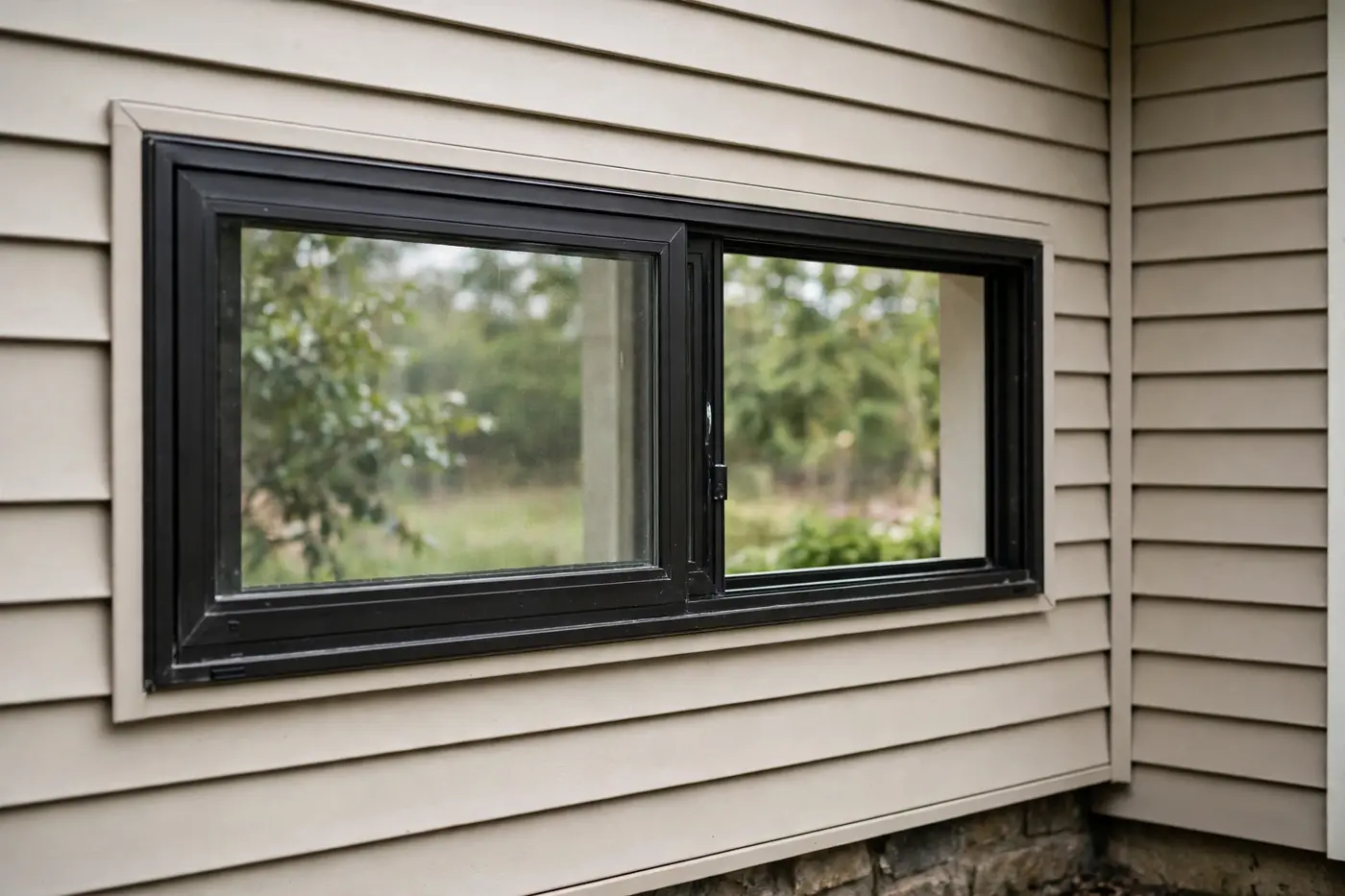
Most homeowners pay somewhere between $300 and $2,300 per sliding window installed, based on national cost guides as of 2026. A standard vinyl slider in a common size usually lands between $500 and $1,500 installed, while large, custom, or premium-material units can push past $2,000 each. Your final number depends on width, frame material, glass, and local labor.
Key takeaways
- Typical installed price for a sliding window: $500–$1,500 per window; the full national range runs about $300–$2,300.
- Vinyl sliders are the budget pick ($300–$1,500 installed); fiberglass and wood cost noticeably more.
- Width is the biggest price lever — sliders are wider than tall, and every extra foot of glass adds cost.
- Labor usually accounts for $150–$800 of the per-window total, depending on region and install complexity.
- Get at least three itemized local quotes before committing — installed prices for the same window can vary by hundreds of dollars between contractors.
Sliding window prices at a glance
Sliding windows — sometimes called gliders or horizontal sliders — open by gliding one sash sideways along a track. The mechanism is simple, which keeps manufacturing costs down, and that simplicity shows up in the price. Based on national cost guides as of 2026, here is what the installed price typically looks like by frame material.
| Frame material | Typical installed cost per window | Best for |
|---|---|---|
| Vinyl | $300–$1,500 | Budget-friendly whole-house projects |
| Aluminum | $600–$1,400 | Modern look, mild climates |
| Fiberglass | $800–$2,000 | Durability and slim frames |
| Wood / wood-clad | $1,000–$2,300 | Traditional homes, premium finish |
Those are typical ranges, not quotes. A basic white vinyl slider in a standard 36-by-48-inch opening, installed as a straightforward retrofit, sits near the bottom of the range. A wide 72-inch fiberglass slider with triple-pane glass and a full-frame installation sits near the top. Most of what homeowners actually buy — mid-range vinyl or aluminum sliders in standard sizes — falls in the $500–$1,200 band.
Project math helps too. A typical five-window sliding window project runs roughly $2,500–$7,500 all-in, according to 2026 cost guides. Replacing sliders across a whole house brings the per-window price down a bit, since crews work faster once they are set up — contractors commonly discount 10–20% on larger jobs compared with one-off replacements.
What drives the price up or down
Two neighbors can buy “a sliding window” and pay wildly different amounts. Here is what actually moves the number.
Width and overall size
Sliders are wider than they are tall — that is the whole point of the style. A 48-inch-wide slider needs more glass, more frame, and heavier-duty rollers than a 36-inch one. Oversized or custom-width units (say, 8 feet across a living room wall) jump into custom pricing, which can add 25–75% over a stock size. If your opening is a standard size, stick with it; resizing the rough opening means framing work, and framing work means money.
Frame material
Vinyl dominates the slider market because it is cheap to extrude, insulates well, and needs no painting. Aluminum costs more per window and conducts heat, though thermally broken aluminum frames narrow that gap. Fiberglass is the premium pick — strong, stable, paintable — at roughly 35–40% more than comparable vinyl. Wood sliders exist but are uncommon; you pay for the look and accept the maintenance.
Glass package
Double-pane low-E glass with argon fill is the sensible baseline for most climates and adds a moderate amount to the unit price. Triple-pane glass costs substantially more and makes the sash heavier, which matters for sliders because heavier sashes wear rollers faster. In most of the US, good double-pane glass is the sweet spot; triple-pane earns its keep mainly in very cold regions or on noisy streets.
Installation type
A retrofit (insert) installation — sliding the new unit into the existing frame — is the cheapest path, often $100–$300 in labor per window. A full-frame replacement, where the old frame comes out down to the studs, costs more in labor ($250–$600 per window is typical) but lets the crew fix rot, air-seal properly, and reclaim a little glass area. If your existing frames are solid and square, retrofit keeps the project near the low end of the range.
Labor rates where you live
Installer labor is the most regional part of the bill. The same vinyl slider might cost $150 in labor in a small Midwest town and $400+ in a coastal metro. This is also why the “get three quotes” advice matters so much — labor is where quotes diverge most. Our per-window cost breakdown walks through how unit, labor, and extras stack up.
How many windows you do at once
Crews charge for mobilization: showing up, setting up, disposing of old units. Spread over ten windows, that overhead nearly disappears per unit. Do one window alone and you pay the full setup cost on a single unit. If you know you will replace more windows within a year or two, bundling them into one project almost always costs less overall.
Sliding windows vs. other styles on price
Where do sliders sit in the style pecking order? Roughly in the lower-middle. They typically cost a bit less than casements (no crank hardware, simpler sealing) and about the same as or slightly less than double-hungs in vinyl. Picture windows are cheaper per square foot of glass because nothing moves, but they do not ventilate. Bay and bow windows are in another league entirely — $2,000–$8,000+ installed — because they are structural projects, not just window swaps.
If you are torn between operating styles, our double-hung vs. casement cost comparison covers the trade-offs in detail, and much of the same logic (hardware complexity drives price) applies when you add sliders to the mix.
When sliding windows are the right call — and when they are not
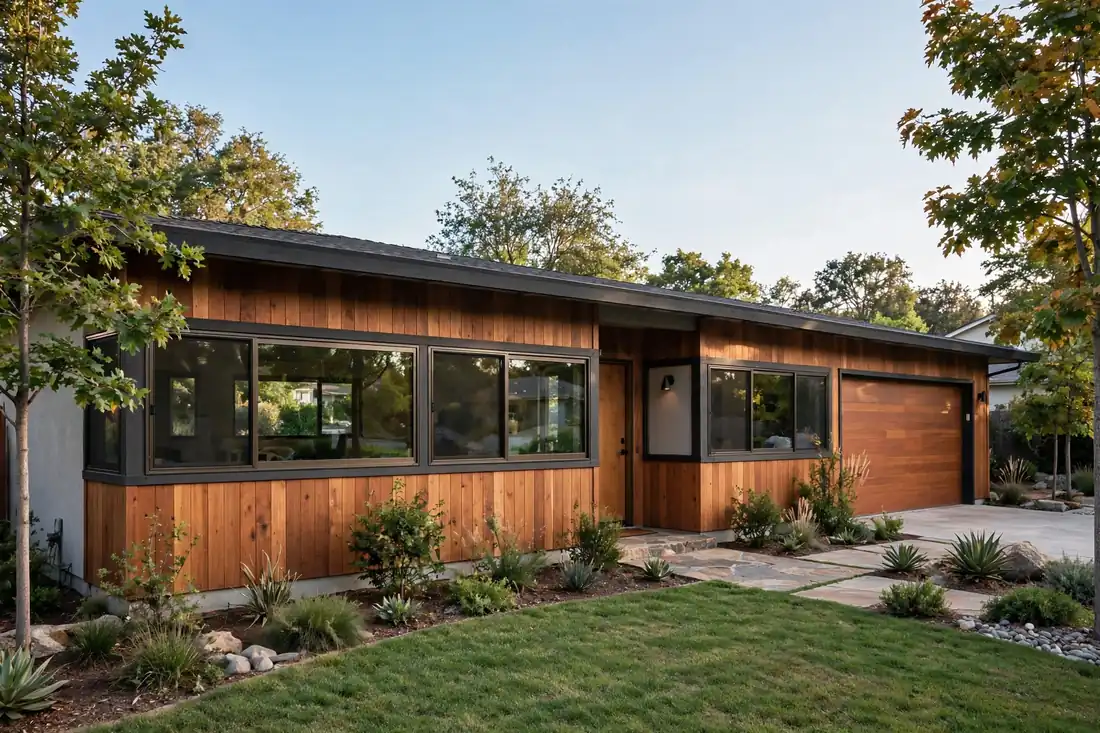
Sliders shine in specific situations. They are ideal for wide, short openings — over a kitchen sink, along a patio, in a basement — where a tall double-hung would look wrong and a casement would swing into walkways or shrubs. They need no exterior clearance to open, which matters along decks and sidewalks. Operation is easy: even kids and older homeowners can slide a well-made unit with one hand.
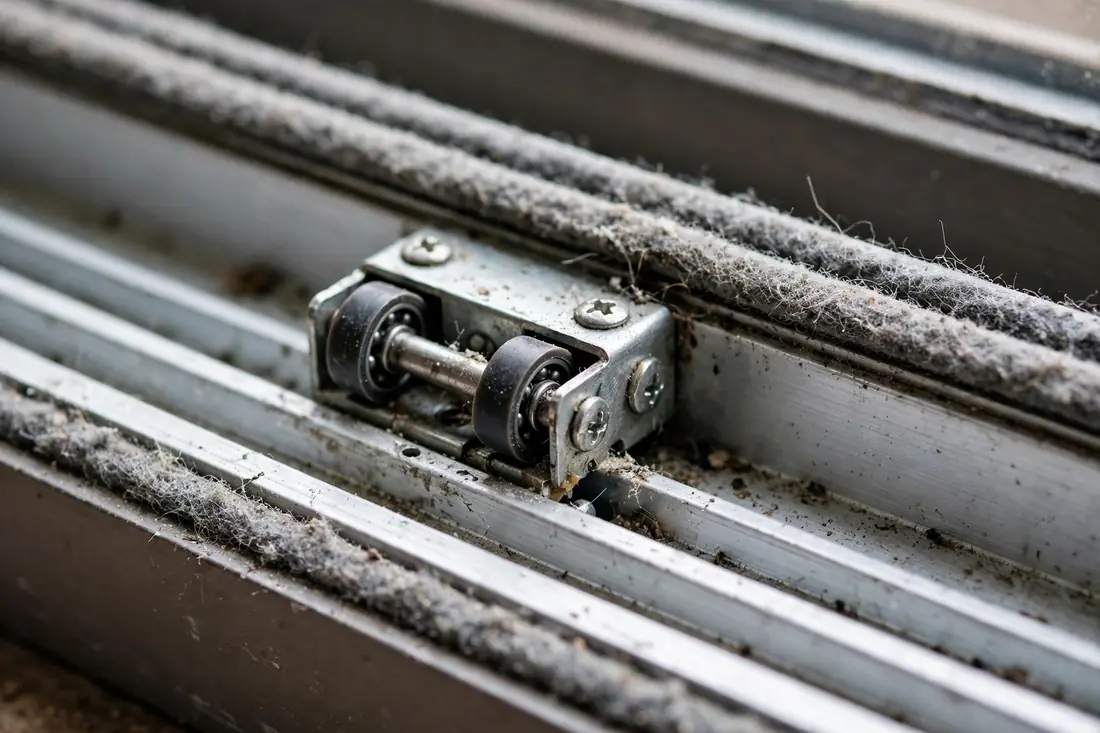
They are less ideal where maximum ventilation or a tight seal matters most. Because one sash always overlaps the other, a slider can never open more than half its area, and the meeting rail is a weaker air-sealing point than a casement’s compression seal. In very windy or cold exposures, a casement usually seals better. Sliders also have more track to keep clean — grit in the track is the number-one cause of the “my slider is hard to open” complaint, and it is a maintenance item, not a defect.
One more honest note: the sliding mechanism wears. Rollers and weatherstripping on a slider typically need attention sooner than hinges on a casement. Buying a mid-grade or better unit with quality rollers pays off here; the cheapest sliders are the ones whose owners complain about them in year eight.
Mistakes that inflate the bill
- Replacing one window at a time over several years. You pay setup costs repeatedly and lose volume discounts. Bundle when you can.
- Ordering custom sizes for standard openings. Measure the existing opening before assuming you need custom. Stock sizes fit the vast majority of homes.
- Ignoring the track and roller quality. Two vinyl sliders can look identical and differ enormously in hardware. Ask what rollers are used and whether they are replaceable.
- Skipping the glass upgrade to save $40 a window. Low-E with argon is cheap relative to the total project and pays back in comfort for decades. This is a bad place to economize.
- Accepting a quote without a line-item breakdown. Unit cost, labor, disposal, trim work, and permits should each be visible. If a contractor will not itemize, get your other two quotes elsewhere.
Speaking of materials, most sliders sold in the US are vinyl — our vinyl window cost guide breaks down the price bands from economy to premium so you know which tier you are actually being quoted.
Frequently asked questions
Are sliding windows cheaper than double-hung windows?
Usually slightly cheaper in vinyl, yes — the mechanism is simpler, with no sash balances or tilt hardware. The difference is modest, often under $100 per window for comparable quality. Material and size move the price far more than the choice between these two styles.
How long do sliding windows last?
A decent vinyl slider typically lasts 20–30 years; fiberglass can go 30–50. The rollers and weatherstripping are the wear items — keeping tracks clean and replacing worn rollers can add years. Once the frame itself warps or the sealed glass unit fogs, replacement makes more sense than repair.
Can I replace just one sliding window?
Yes, but expect the per-window cost to run high since you absorb the full setup and trip charges. If other windows are the same age, ask the contractor to price the single window and the bundle — the per-unit difference often surprises people.
Do sliding windows leak more than other styles?
They can be draftier than casements because the sashes slide rather than compress against a seal. A quality slider with good weatherstripping performs fine in most climates, but in extremely windy exposures, casements or fixed windows seal better.
Is triple-pane glass worth it on a slider?
For most US climates, no — good double-pane low-E with argon is the value sweet spot. Triple-pane adds meaningful cost and weight (which stresses the rollers) for marginal gains unless you face severe cold or serious noise. Put the savings toward a better frame or more windows.
Your next step
Measure your openings, decide on vinyl vs. a step-up material, and get three itemized quotes from local installers — that single habit saves more money than any other decision in this process. Start with our per-window price breakdown to learn what each line of a quote should cost, so you can spot the padded ones before you sign.