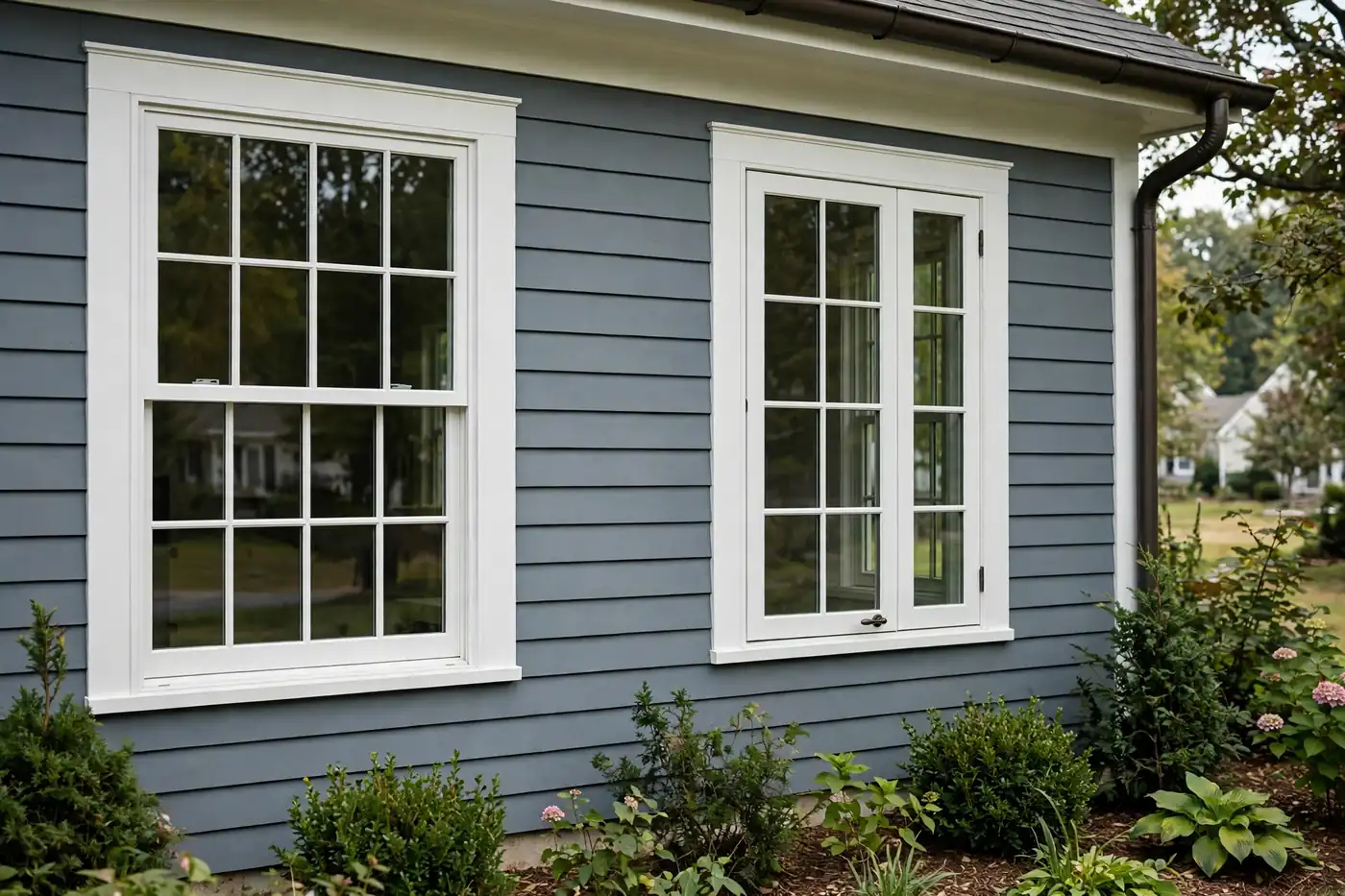
Casement windows typically cost $50–$150 more per window installed than comparable double-hungs, based on national cost guides as of 2026. Double-hungs win on price and easy cleaning; casements win on ventilation and seal tightness. The right choice depends on the room, not the price tag alone.
Key takeaways
- Installed cost, based on national cost guides as of 2026: double-hung $350–$1,050 per window; casement $400–$1,200 per window, depending on material and size.
- The casement premium comes from crank hardware and tighter sealing engineering — not from bigger glass or fancier frames.
- Double-hung is the better value for bedrooms and standard replacements on a budget. Casement earns its premium in kitchens, hard-to-reach spots, and anywhere maximum airflow matters.
- Labor is similar for both: roughly $100–$250 per window. The price gap is in the unit, not the install.
- Mixing styles across a house is normal — you do not have to pick one winner for every opening.
Side-by-side at a glance
Before the dollars, the mechanics. These two styles solve the same problem — letting air and light in — with completely different hardware, and that hardware drives both the cost and the experience:
| Double-hung | Casement | |
|---|---|---|
| How it opens | Two sashes slide vertically; top, bottom, or both | Side-hinged sash cranks outward |
| Ventilation | Good — up to half the window area | Excellent — full opening catches side breezes |
| Seal when closed | Good; sliding seals wear over time | Excellent; sash compresses against weatherstripping |
| Cleaning | Easy — tilt-in sashes on most modern units | Harder — exterior glass reached from inside only on some models |
| Over walkways/patios | Ideal — nothing protrudes | Problematic — open sash blocks the path |
| Hard-to-reach spots | Awkward — lifting sashes over a sink is a stretch | Ideal — crank is easy to operate |
| Classic/traditional look | The default for most US homes | More contemporary feel |
If you are replacing windows in a traditional colonial or craftsman, double-hungs keep the look intact. If your priority is catching a cross-breeze in a stuffy kitchen, the casement’s full-swing opening is genuinely hard to beat. Cost enters the picture next — and it is closer than most people expect.
Cost comparison by material
Here is the head-to-head on installed price per window, based on national cost guides as of 2026. Same size class, same installation method, standard double-pane glass:
| Frame material | Double-hung (installed) | Casement (installed) | Typical premium |
|---|---|---|---|
| Vinyl | $350 – $650 | $400 – $750 | +$50 – $100 |
| Aluminum | $500 – $850 | $500 – $900 | ~$0 – $50 |
| Fiberglass | $600 – $900 | $600 – $1,000 | +$50 – $100 |
| Wood | $650 – $1,050 | $700 – $1,150 | +$50 – $100 |
Two things stand out. First, material matters more than style: a vinyl casement ($400–$750) costs less than a wood double-hung ($650–$1,050). Shoppers who fixate on style while ignoring material are optimizing the smaller lever. Second, the casement premium is modest — roughly $50–$150 per window — because installers charge about the same labor for either style (around $100–$250 per window). For the full pricing story on each style, see our double-hung window cost guide and casement window cost guide.
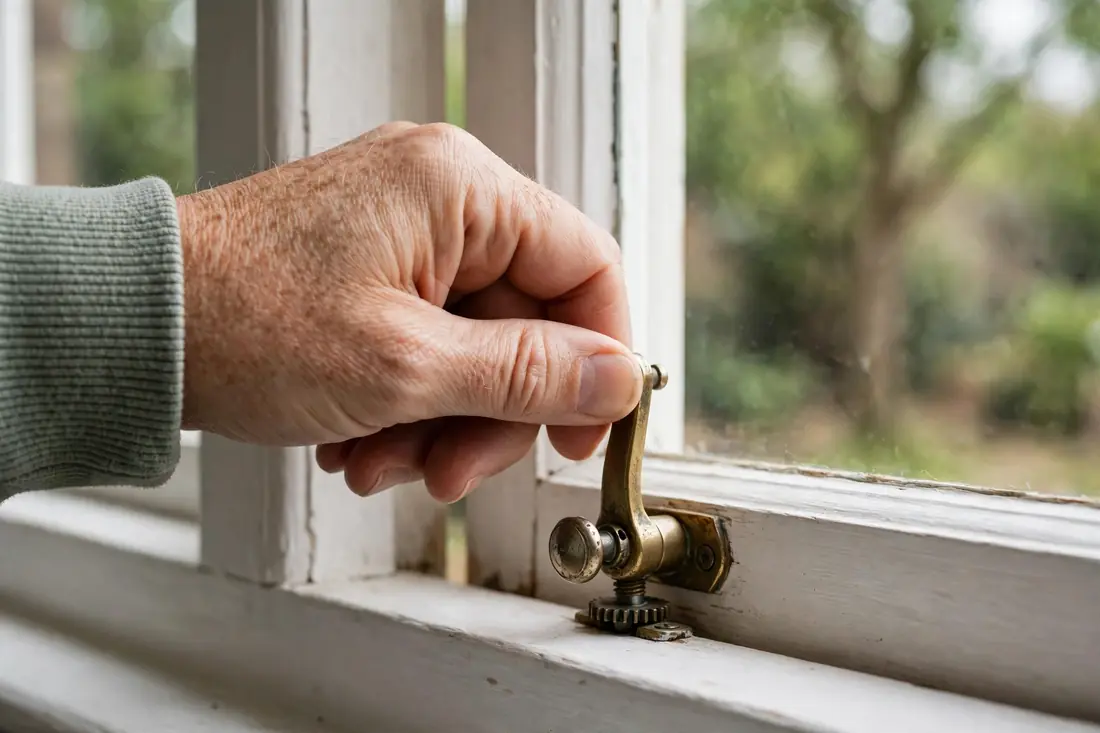
Where double-hung wins
Double-hung is the best-selling replacement style in the US for reasons that go beyond price:
- Budget whole-house projects. Saving $50–$150 per window across 15 windows is $750–$2,250 back in your pocket — real money that can fund better glass or cover the contingency fund.
- Bedrooms and second floors. Tilt-in sashes make cleaning upstairs glass safe and simple, with no ladder and no leaning out.
- Windows over walkways, patios, and decks. A casement sash swings outward into the path; a double-hung never intrudes on the space outside.
- Keeping a traditional look. On colonials, capes, and farmhouses, double-hungs are architecturally correct. Appraisers and future buyers notice.
- Simple, proven mechanics. Fewer moving parts than a crank-and-hinge system means fewer things to service over a 20+ year life.
Where casement wins
Casements earn their premium in specific situations where the hardware advantage is tangible:
- Kitchens and bathrooms. Crank operation over a sink or tub beats stretching to lift a sash. This is the single most common reason homeowners choose casements.
- Maximum ventilation. A casement opens fully and its angled sash scoops side breezes inward — noticeably more airflow than a half-open double-hung.
- Tightest seal. The sash compresses directly against the weatherstripping when cranked shut, which is why casements test better for air infiltration. In windy or very cold climates, that seal has real comfort value.
- Hard-to-reach or tall openings. One smooth crank motion versus lifting a heavy sash — accessibility matters, especially as homeowners age in place.
- Unobstructed views. No meeting rail across the middle of the glass, unlike a double-hung’s horizontal bar.
Note the pattern: casement advantages are about daily use — how the window feels to operate and how it performs in wind. If those matter in a given room, the $50–$150 premium is easy to justify. If they don’t, it is money spent on hardware you will never appreciate.
The value verdict: which should you buy?
There is no universal winner, so here is the decision by scenario — the way a good contractor would actually advise you:
| Your situation | Better value | Why |
|---|---|---|
| Replacing all windows on a budget | Double-hung | Lowest unit cost; savings compound across the house |
| Kitchen over the sink | Casement | Crank beats a long reach, every single day |
| Upstairs bedrooms | Double-hung | Tilt-in cleaning without a ladder |
| Windy / very cold climate | Casement | Superior air seal pays comfort dividends |
| Window over a patio or walkway | Double-hung | Nothing swings out into the path |
| Stuffy room needing max airflow | Casement | Full opening + breeze-catching angle |
| Traditional home exterior | Double-hung | Architecturally correct; protects resale look |
| Aging in place / accessibility | Casement | Easiest operation of any window style |
The smartest whole-house strategy is usually a mix: double-hungs for bedrooms and street-facing traditional elevations, casements for the kitchen, bathrooms, and problem ventilation spots. Contractors do this routinely, and it costs less than defaulting to casements everywhere. Material choice interacts with style, too — our fiberglass vs. vinyl cost comparison shows how the frame decision can outweigh the style decision on your final bill.
Installation and retrofit realities
One practical point the brochures skip: replacing like-for-like is cheapest. If your openings currently hold double-hungs, swapping in new double-hungs is a straightforward insert job. Switching those openings to casements can require reframing — rough-opening dimensions and structural support differ between styles — which pushes you toward full-frame installation and its 40–100% cost premium. That reframing cost can dwarf the $50–$150 style premium overnight. The reverse is equally true. So the cheapest style is often the one already in your wall. When a contractor recommends switching styles, ask whether the quote includes reframing — and get the like-for-like price too, so you can see exactly what the switch costs.
Lead times are a second reality. Standard white vinyl double-hungs are stock items in most markets; custom-color casements with upgraded hardware can carry 6–10 week lead times. If your project has a deadline — a home sale, a season change — confirm lead times in writing before committing to the less common configuration.
Mistakes in the double-hung vs. casement decision
- Choosing on price alone. The $50–$150 per-window gap is small next to 20 years of daily use. A casement over the kitchen sink pays for its premium in convenience within months.
- Ignoring the exterior. Casements swinging over a front walkway or deck are a daily annoyance and a code concern in some areas. Check clearances before you fall in love with the style.
- Assuming casements are always “better.” They seal tighter, yes — but modern double-hungs with quality weatherstripping perform well, and their simpler mechanics mean less long-term maintenance.
- Forgetting egress. Bedrooms need code-compliant emergency egress. Both styles can qualify, but the required clear opening dimensions differ — confirm with your contractor, especially for basement bedrooms.
- Mixing without a plan. A thoughtful mix is smart; a random mix looks like you bought whatever was on sale. Keep street-facing elevations consistent.
Frequently asked questions
Are casement windows more expensive than double-hung?
Yes, modestly — typically $50–$150 more per window installed for comparable material and size, based on national cost guides as of 2026. The gap comes from crank hardware and sealing engineering, not from installation labor, which is similar for both.
Do casement windows really seal better?
Yes. A casement sash cranks shut and compresses directly against weatherstripping, creating a tighter air seal than the sliding seals of a double-hung. The difference is most noticeable in windy conditions and very cold climates. In mild climates, it is a comfort nicety rather than a decisive advantage.
Can I mix double-hung and casement windows in one house?
Absolutely — it is standard practice. Use double-hungs where they make sense (bedrooms, traditional facades, over walkways) and casements where they earn their keep (kitchens, bathrooms, ventilation-poor rooms). Just keep the exterior elevations visually consistent from the street. From inside, mixed styles are invisible in daily life — you notice the crank over the sink, not the sightline difference two rooms away.
Which lasts longer, double-hung or casement?
Both can last 20–30+ years with quality manufacturing. Double-hungs have simpler mechanics with fewer serviceable parts; casements have crank operators and hinges that may need adjustment or replacement over decades. Neither is a durability red flag if you buy from an established manufacturer with a solid warranty.
Your next step
Walk your house room by room with the scenario table above. Mark each opening: budget double-hung, convenience casement, or ventilation casement. Then get three quotes for that exact mix — not for “ten windows, your recommendation.” For deeper numbers on each style, read our double-hung pricing guide and casement pricing guide, linked above, before the first contractor visit.
2 thoughts on “Double-Hung vs. Casement Windows: Cost and Value Compared”