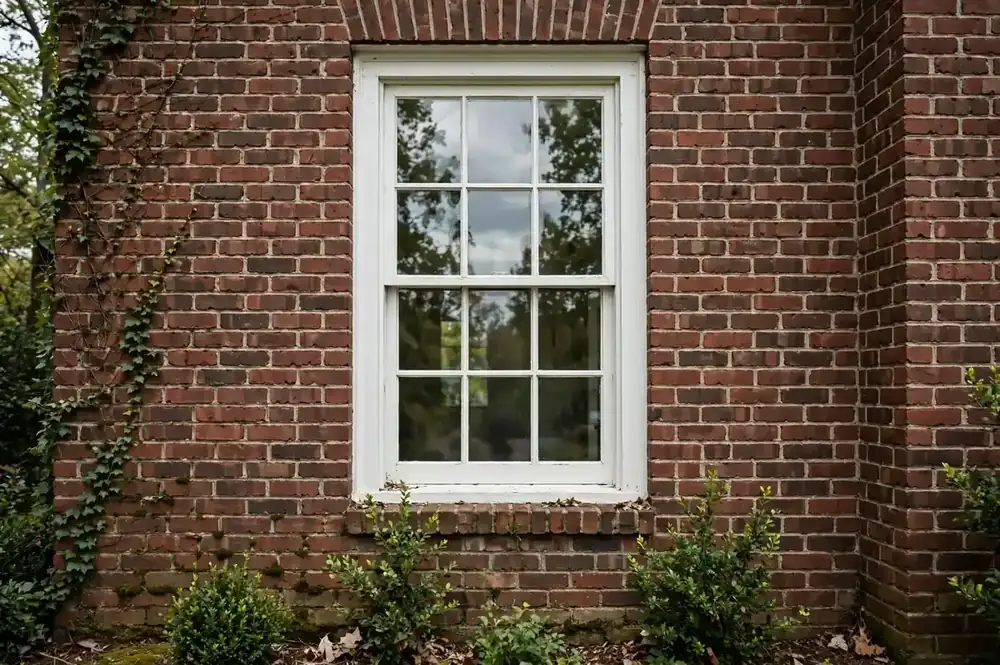
Double-hung windows typically cost $325 to $1,275 per window installed in 2026, based on national cost guides, with most standard vinyl units landing between $500 and $900. Material is the biggest price driver — budget vinyl starts around $350, while wood and fiberglass climb past $1,000.
Key takeaways
- Installed price range, based on national cost guides as of 2026: $325–$1,275 per window, with the average near $800.
- A standard vinyl double-hung — the most common US replacement — typically runs $500–$900 installed.
- Three price tiers: budget vinyl ($350–$650), mid-range ($650–$1,000), premium wood/fiberglass ($1,000–$1,275+).
- Glass upgrades and installation method move the price more than brand names do.
- Double-hung is the right call for bedrooms, traditional homes, and budget whole-house projects — but not for every room.
Double-hung price tiers: what your money buys
Forget brand-versus-brand debates for a moment. Double-hung pricing falls into three honest tiers, and knowing which tier you are shopping in matters more than which logo is on the glass. All ranges below are installed prices per window, based on national cost guides as of 2026:
| Tier | Installed per window | What you typically get |
|---|---|---|
| Budget | $350 – $650 | Basic vinyl frame, double-pane glass, standard hardware, insert installation. Functional and efficient enough; shorter warranty, fewer color/finish options. |
| Mid-range | $650 – $1,000 | Better vinyl or aluminum, low-E double-pane glass, tilt-in sashes, stronger warranty (often lifetime limited). The sweet spot for most homeowners. |
| Premium | $1,000 – $1,275+ | Fiberglass or wood/wood-clad, upgraded glass packages, custom sizes and finishes, full-frame installation where needed. Built for forever homes. |
The mid-range tier is where most US replacement projects land, and for good reason: you get the efficiency and warranty gains that matter without paying for showroom-grade finishes you will never notice from the couch. Jumping from budget to mid-range typically buys noticeably better hardware and sealing; jumping from mid-range to premium mostly buys materials prestige and customization. Be honest about which jump you actually need.
What moves the price within double-hung
Two double-hungs can sit $400 apart for reasons that have nothing to do with quality snobbery. Here are the real levers, roughly in order of impact:
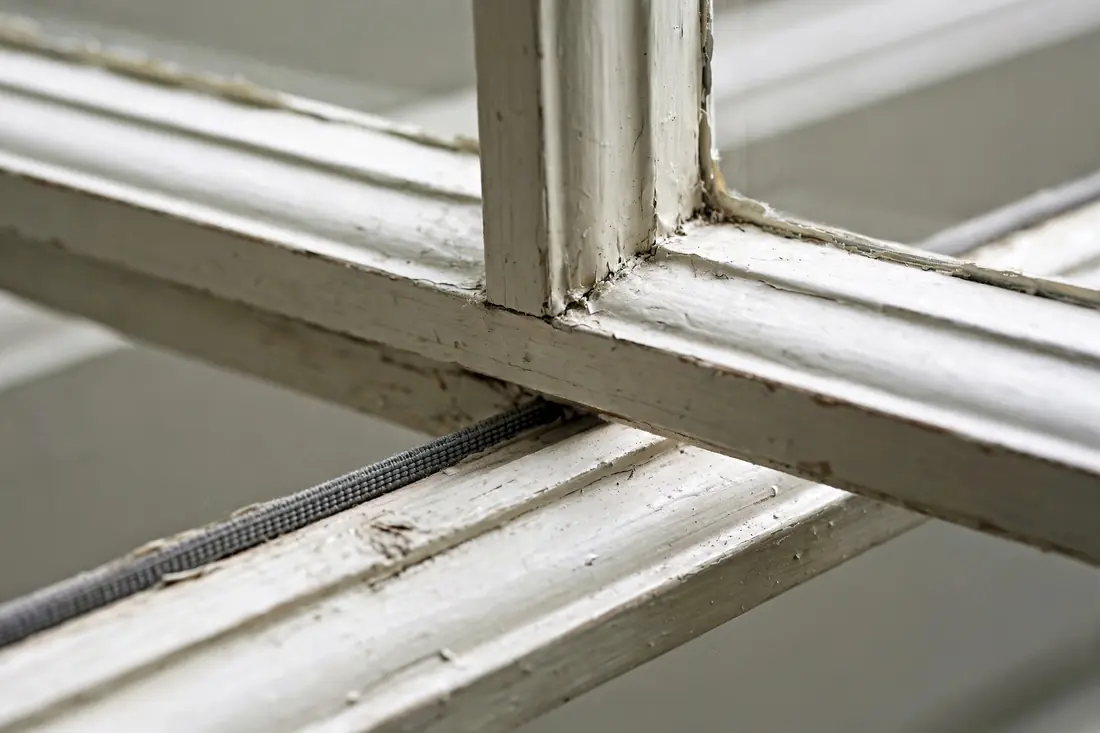
Frame material. The heavyweight, as always. Vinyl double-hungs run roughly $350–$650 installed; aluminum $500–$850; fiberglass $600–$900; wood $650–$1,050. A wood double-hung can cost double its vinyl twin in the same opening. If your heart is set on wood for a historic home, budget for it deliberately — don’t discover the gap in the quote.
Glass package. Standard double-pane is the baseline. Low-E coatings and argon fills — now common in mid-range units — add modest cost. Triple-pane or krypton fills can add several hundred dollars per window. In very hot or cold climates the upgrade earns its keep; in mild zones, run the payback math before saying yes.
Size and configuration. Standard sizes are cheapest because they are mass-produced and quick to install. Oversized units, custom shapes, and add-ons like between-glass blinds or decorative grids each add cost — grids alone can add $50–$150 per window across a house.
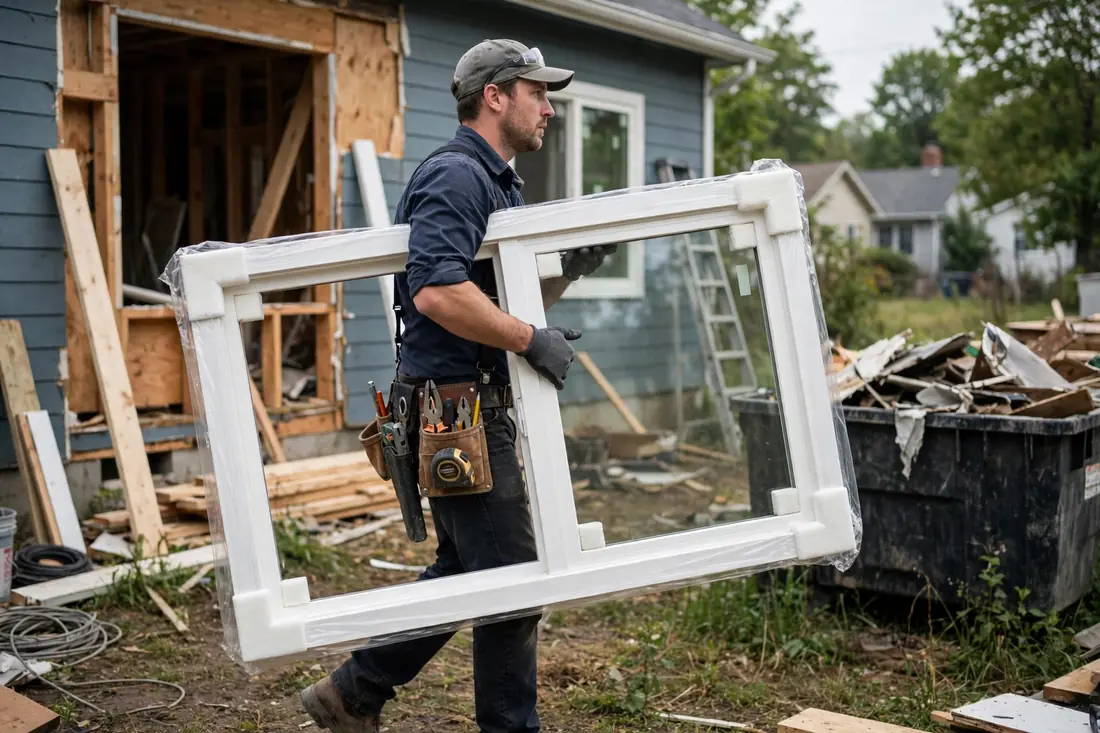
Installation method. Insert installation keeps you in the ranges above. Full-frame replacement — needed for rotted frames, out-of-square openings, or size changes — adds roughly 40–100% per window. Our guide to insert vs. full-frame installation shows how to tell which openings need which.
Second-story and difficult access. Labor rises with scaffolding, ladder work, and tight interiors. It will not double the price, but it is a legitimate line item — not contractor padding.
What doesn’t move the price much? Brand prestige, within a tier. A mid-range vinyl double-hung from any established manufacturer costs roughly what any other mid-range vinyl double-hung costs. Pay for specs and warranty terms, not for the name on the brochure. Where brand does matter is warranty service: an established manufacturer with a real dealer network honors glass-seal claims with less friction than a budget label that has changed importers twice. That is a service argument, though, not a product-quality argument — and it still does not justify a 30% premium for identical specs.
When double-hung is the right call
Double-hung is America’s default replacement window because it fits a wide range of real situations. It is the right call when:
- You are replacing the whole house on a budget. The lowest unit cost of any operating style means your savings multiply across every opening — often $1,000+ versus casements for a full house.
- The rooms are bedrooms. Tilt-in sashes make upstairs glass cleanable from inside — safer and simpler than any ladder routine, and a genuine quality-of-life feature.
- Your home is traditional. Colonials, capes, craftsman bungalows, farmhouses — double-hungs are architecturally correct, which protects curb appeal and resale.
- Windows sit over walkways or patios. Nothing swings outward, so paths and outdoor living spaces stay clear.
- You want proven, low-fuss mechanics. Two sliding sashes, simple locks, minimal hardware to service over a 20–30 year lifespan.
If three or more of those describe your project, stop second-guessing: double-hung is your style. The double-hung vs. casement comparison is worth a read if you are torn, but for most whole-house replacements the decision makes itself.
When to look at something else
Honesty requires the other side. Double-hung is not ideal when:
- The window sits over a kitchen sink or deep tub. Reaching to lift a sash is awkward; a casement’s crank is the better tool. This is the most common legitimate reason to switch styles.
- A room needs maximum airflow. Only half the window opens at once. For a stuffy room, a casement’s full-swing opening moves noticeably more air.
- You are in a very windy or extremely cold climate. Casements seal tighter when cranked shut. Modern double-hungs are good, but the physics favors the casement.
- You want an unobstructed view. The meeting rail — the horizontal bar where the two sashes meet — always crosses the sightline. Picture or casement styles give cleaner glass.
The practical answer for most homes is a mix: double-hungs for bedrooms and traditional facades, casements where the room demands them. Contractors spec mixed-style houses every day.
Smart buying checklist
Use this sequence and you will avoid 90% of buyer regret:
- Fix your tier first. Budget, mid-range, or premium — decide before any salesperson visits, based on how long you will own the home and what the house warrants.
- Count and note every opening. Style, approximate size, floor, and frame condition for each. Ten minutes with a notepad saves hours of confusion later.
- Specify the glass in writing. “Double-pane low-E with argon” is a spec; “energy-efficient glass” is a slogan. Make every quote use the same words.
- Get three itemized quotes. Same tier, same glass, same installation method per opening. Compare unit, labor, and extras separately.
- Read the warranty before the price. A lifetime limited warranty from an established manufacturer beats a longer-sounding warranty from a company you cannot research. Check what is actually covered: frame, sash, glass seal, hardware, labor — each can differ.
- Confirm the installation method per opening. Which windows are inserts, which are full-frame, and why. The reasoning should reference visible conditions.
- Never sign under pressure. “Today-only” pricing is a tactic, not a market reality. A fair quote is still fair next week.
Material choice deserves its own homework: vinyl window pricing explains why vinyl dominates the budget and mid-range tiers, and where its limits are.
Mistakes double-hung buyers make
- Paying premium prices for mid-range specs. The most common overpay: a quote at $1,100 per window for what is actually a mid-range vinyl unit. Know your tier’s price band and hold the line.
- Skipping the tilt-in check. Not every double-hung tilts in for cleaning — confirm it on the specific model, especially for upstairs windows where it matters most.
- Ignoring the screen. Full screens versus half screens affect ventilation and sightlines. It is a small line item that affects daily use — specify it.
- Forgetting the meeting rail. That horizontal bar is always in your view. If clean sightlines matter to you, look at the actual unit before ordering fifteen of them.
- One quote, one contractor. Double-hung is the most quoted style in America, which means pricing is also the most competitive — but only if you actually collect competing bids.
Frequently asked questions
How much does a standard vinyl double-hung window cost installed?
Based on national cost guides as of 2026, roughly $500–$900 for a standard-size vinyl double-hung with professional insert installation. Basic models start near $350; upgraded glass and full-frame installation push toward $1,000+. Always get local quotes — labor rates move these bands.
Are double-hung windows cheaper than casement windows?
Yes, typically by about $50–$150 per window installed for comparable materials. The gap comes from the casement’s crank hardware and sealing system. Across a whole house, choosing double-hungs can save $750–$2,250 versus casements.
How long do double-hung windows last?
Quality vinyl or fiberglass double-hungs typically last 20–30 years; wood units last as long with diligent maintenance and less without it. The sealed glass unit — not the frame — is usually what fails first, showing up as fogging between panes after 15–20 years. In coastal or high-UV markets, vinyl can chalk and fade faster while fiberglass holds color longer. None of this changes the buying calculus much: buy for your climate, keep weep holes and weatherstripping maintained, and the windows will outlast the mortgage.
Can I install double-hung windows myself?
Insert replacement of a standard double-hung is one of the more DIY-friendly window jobs — but “friendly” still means precise measuring, proper flashing, and airtight sealing. Mistakes cause drafts, leaks, and voided warranties. Most homeowners are better off paying the $100–$300 per window for professional installation and keeping the warranty intact.
Your next step
You know the tiers, the levers, and the checklist. Now make it concrete: walk your house, assign each opening a tier and a method (insert or full-frame), and request three itemized quotes against that exact spec. Start with our double-hung vs. casement comparison, linked above, if any room is still undecided, then read the insert vs. full-frame installation guide so no contractor can sell you a method you do not need.