The short answer
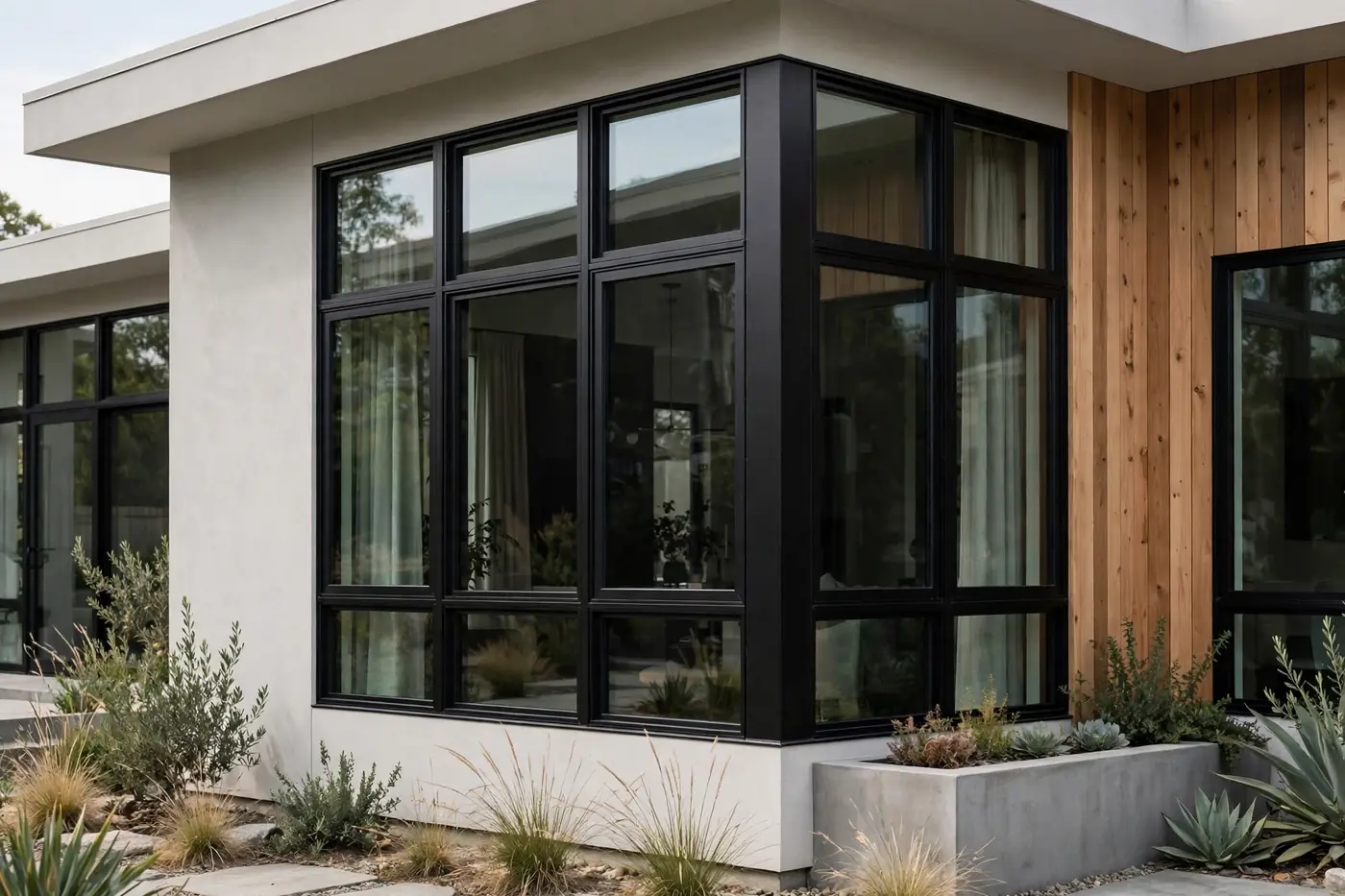
Aluminum and composite sit at opposite ends of the window market. Aluminum is the budget pick at roughly $200–$450 installed per window, best for mild climates and modern designs but a weak insulator. Composite is the premium pick at roughly $600–$1,500 installed per window (and up to $2,500 for full-service brands), offering wood-like looks with far less maintenance. Based on national cost guides as of 2026, always get 3+ local quotes before deciding.
Why these two materials share an article
Aluminum and composite have almost nothing in common except this: neither one is vinyl, wood, or fiberglass, which means most cost guides mention them in passing and move on. That leaves homeowners with two blind spots — one at the bottom of the price ladder and one near the top.
They are, in a sense, mirror images. Aluminum is the cheapest mainstream frame material you can buy. Composite is among the most expensive. Aluminum’s reputation suffers because early versions were energy sieves. Composite’s reputation suffers because the word itself sounds like marketing speak. Both reputations deserve a closer look, because each material is genuinely the right answer for a specific kind of homeowner — and genuinely the wrong answer for everyone else.
Aluminum windows: the honest breakdown
Aluminum frames have been around for decades. They were the default in mid-century commercial buildings and sun-belt tract homes, and they never really left. Walk through any downtown office district and you are looking at aluminum. The residential story is more complicated.
What aluminum windows cost
The window unit itself is cheap — national cost guides as of 2026 put basic aluminum window units at roughly $75–$400 per window before labor. Installed, typical projects land around $200–$450 per window for standard sizes, with straightforward retrofit jobs in competitive markets occasionally dipping lower and larger or custom units climbing higher.
That installed range assumes a standard double-hung or slider in a common size, set into an existing opening. Add a second story, and labor premiums of 25–40% apply the same way they do for any material. Add impact-rated glass for a hurricane zone, and the numbers change completely — but at that point you are paying for the glass, not the frame.
To put it in project terms: a whole house of ten basic aluminum windows might run $2,500–$5,000 installed, which is often the lowest bid a homeowner will see from any legitimate contractor. That number is the material’s entire appeal in one sentence.
The thermal break problem (and why aluminum got its reputation)
Here is the thing everyone tells you about aluminum, and it is true: metal conducts heat. An old-school aluminum frame is basically a thermal bridge between your living room and the outdoors. In winter, the interior frame can feel cold to the touch. In summer, it radiates heat inward. Early aluminum windows earned their drafty reputation honestly.
Modern aluminum windows address this with a thermal break — a strip of insulating material (usually polyamide) set into the frame that interrupts the conductive path. A thermally broken aluminum window performs dramatically better than the aluminum windows of the 1970s. It still does not insulate as well as vinyl or fiberglass, but the gap is much smaller than the horror stories suggest.
The catch: thermal breaks add cost, and the cheapest aluminum windows on the market are often the ones without good ones. When a contractor quotes you a suspiciously low aluminum price, ask whether the units are thermally broken. If the answer is vague, you are looking at the kind of window that gave aluminum its reputation.
Where aluminum actually makes sense
Aluminum is the right call in a narrower set of situations than its price suggests:
- Mild climates. If your winters are gentle and your summers are the bigger concern, aluminum’s insulation weakness matters less. This is why it remains common across the Sun Belt.
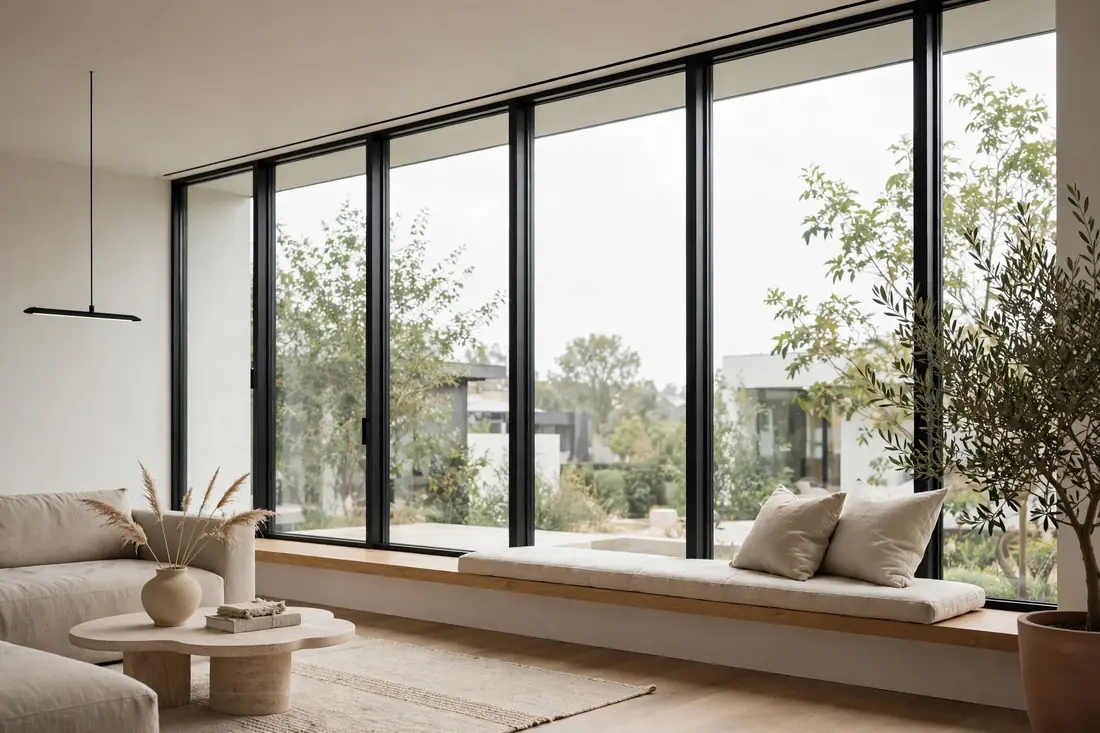
- Modern and contemporary designs. Aluminum frames can be made slimmer than vinyl, which means more glass and cleaner sightlines. For floor-to-ceiling modern looks, it is hard to beat.
- Large openings. Aluminum is strong for its weight, so it handles oversized sliders and picture windows without the bulk that vinyl would need.
- Rental properties and tight budgets. When the priority is a functional, low-cost window that will last 15–25 years with minimal maintenance, aluminum does the job.
- Coastal commercial-style applications. Aluminum resists corrosion well, which matters near salt water — though in hurricane zones, impact glass requirements will dominate the budget regardless of frame.
Where it does not make sense: cold climates with real winters, anyone chasing maximum energy efficiency, and historic homes where the thin modern profile would look wrong. If you are comparing mainstream residential options, our fiberglass vs. vinyl cost comparison covers the two materials most homeowners actually end up choosing.
Composite windows: the honest breakdown
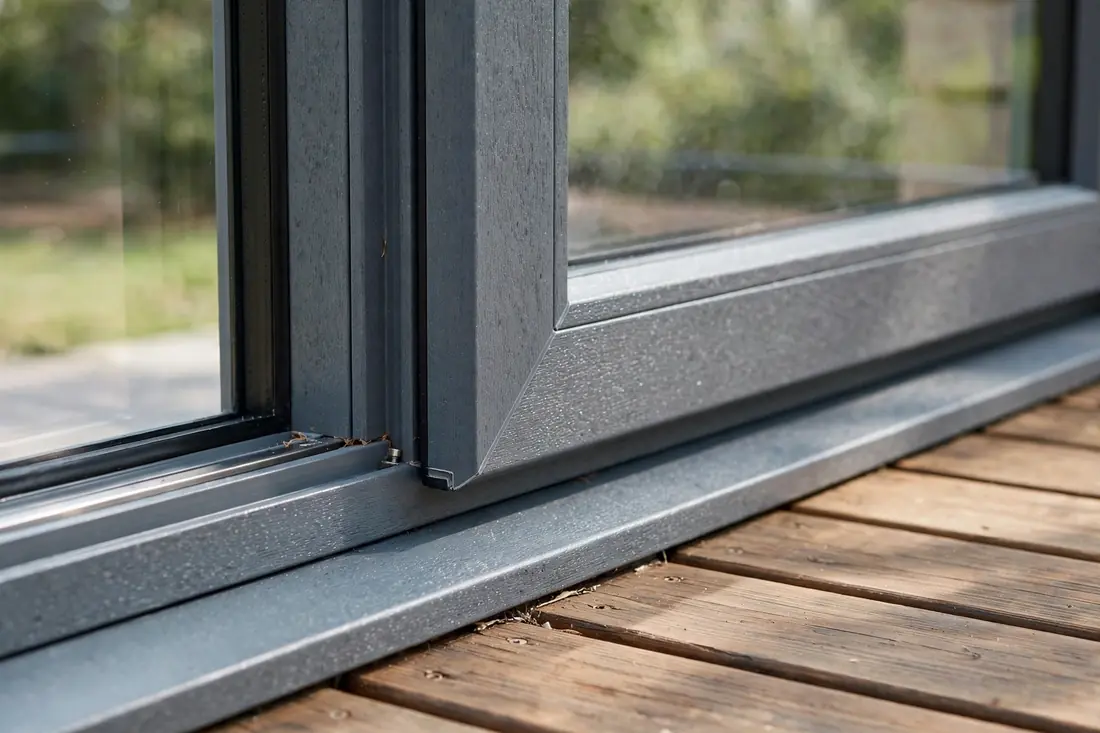
Now the other end of the ladder. “Composite” is one of those words that sounds like it was invented in a marketing meeting, but the material is real: a blend of wood fibers and polymer resins, engineered to behave like wood structurally while shrugging off the moisture that destroys wood.
What “composite” actually means
There is no single composite formula. The best-known version is Andersen’s Fibrex, a proprietary blend used in the Renewal by Andersen line and Andersen’s 100 Series. Other manufacturers have their own recipes, usually some ratio of wood fiber or wood flour mixed with PVC or other thermoplastics, sometimes with fiberglass reinforcement.
What they share: the frame looks and feels more substantial than vinyl, it can be painted (unlike most vinyl), it expands and contracts less with temperature swings, and it will not rot. Lifespan estimates run 30–50 years, putting composite in the same durability conversation as fiberglass.
What composite windows cost
Based on national cost guides as of 2026, composite replacement windows typically run $600–$1,500 installed per window, with average projects landing around $800–$1,100 per window for mainstream composite lines. That is roughly double the cost of a comparable vinyl window.
At the premium end, full-service composite brands change the math entirely. Renewal by Andersen — which sells Fibrex composite windows through its franchise installer network — typically quotes $1,500–$2,500 installed per window, with whole-house projects commonly landing between $20,000 and $55,000. You are paying for the white-glove sales and installation operation as much as the frame material, which is worth understanding before you sign.
A ten-window composite project from a local installer might run $8,000–$12,000. The same ten windows through a premium full-service brand could be $20,000+. Same word — “composite” — wildly different bids. Always ask which manufacturer’s product is actually being quoted.
Who should pay for composite
Composite earns its price for a specific buyer:
- Long-term owners of higher-end homes. If you plan to stay 20+ years and the home’s value supports premium finishes, composite’s lifespan and paintability make sense.
- Design-conscious buyers who dislike vinyl’s look. Composite reads as more substantial and can be finished in dark colors that vinyl handles poorly.
- Harsh climates. Low thermal expansion means seals stay tight through freeze-thaw cycles and desert heat alike.
- Anyone replacing wood who dreads the maintenance. Composite is the closest thing to wood’s feel without wood’s upkeep — closer, in most people’s judgment, than fiberglass.
Who should skip it: budget-driven projects (vinyl delivers 80% of the performance for half the money), rental properties, and anyone planning to sell within five years — you are unlikely to recover the premium at resale. For the mainstream value debate, see our per-window cost breakdown to see how material choice moves the total.
Aluminum vs. composite, side by side
| Factor | Aluminum | Composite |
|---|---|---|
| Typical installed cost per window | $200–$450 | $600–$1,500 ($1,500–$2,500 premium brands) |
| Lifespan | 15–25 years | 30–50 years |
| Insulation | Fair (good only with thermal break) | Excellent |
| Maintenance | Low | Low |
| Can be painted | Yes | Yes |
| Best climate | Mild / warm | Any, excels in extremes |
| Best for | Budgets, modern designs, rentals | Forever homes, premium aesthetics |
Notice what the table does not tell you: which one is “better.” There is no better. There is cheaper-and-weaker versus expensive-and-stronger, and the right choice is a budget question disguised as a materials question.
Common mistakes with these two materials
Buying non-thermally-broken aluminum to save $50 a window. The savings evaporate the first winter. If you go aluminum, the thermal break is non-negotiable — verify it in the product specs, not the sales pitch.
Paying composite prices for a composite name. “Composite” covers everything from $600 local-installer units to $2,500 full-service franchise units. Get the manufacturer and product line in writing, then compare that specific product’s price across installers.
Putting premium composite in a house you will sell in three years. Appraisers do not add dollar-for-dollar value for window upgrades. You might recoup 60–75% at resale; the rest is money you spent for someone else’s benefit.
Choosing aluminum for a cold-climate forever home. The upfront savings are real, but so are 25 years of higher heating bills and cold glass. In northern zones, the math favors vinyl at minimum.
Assuming composite means “the best window.” A well-made vinyl window from a good installer will outperform a poorly installed composite window every time. Installation quality matters more than frame material — see our guide to bay and bow window costs for proof that complexity of the job often matters more than what’s in the frame.
Key takeaways
- Aluminum: ~$200–$450 installed per window; cheapest mainstream option, needs a thermal break, best for mild climates and modern designs.
- Composite: ~$600–$1,500 installed per window ($1,500–$2,500 for premium full-service brands); wood-like without the rot, best for long-term owners of higher-end homes.
- The word “composite” covers a huge price range — always identify the exact manufacturer and product line.
- Neither material is right or wrong; the choice is a budget and climate question, not a quality ranking.
Frequently asked questions
Are aluminum windows bad?
No — outdated ones are. Modern thermally broken aluminum windows perform respectably, especially in mild climates. The bad reputation comes from 1970s-era units with no thermal break, which were genuinely drafty.
Is composite better than fiberglass?
They are peers, not ranks. Both last 30–50 years and insulate well. Composite tends to look more like wood and costs more; fiberglass is often slightly cheaper and extremely dimensionally stable. Most homeowners would be happy with either.
Can aluminum windows be energy efficient?
Reasonably, with a quality thermal break and double-pane Low-E glass. They will not match the best vinyl or fiberglass units on insulation, but a good aluminum window is not the energy sieve its reputation suggests.
Why is Renewal by Andersen so expensive?
You are buying a full-service franchise experience — in-home sales, dedicated installation crews, and strong warranties — built around a Fibrex composite product. The windows are good; the premium pays for the operation around them. Independent installers sell similar composite products for far less.
Your next step
Decide which end of the ladder you are on before you call anyone. If it is aluminum, put “thermally broken” on your must-have list and get quotes from at least three local installers. If it is composite, identify the exact product line you want first, then bid that product across multiple companies. Either way, the frame is only half the job — what the installer charges to put it in matters just as much, so read our per-window price breakdown next and budget the whole project, not just the glass.